
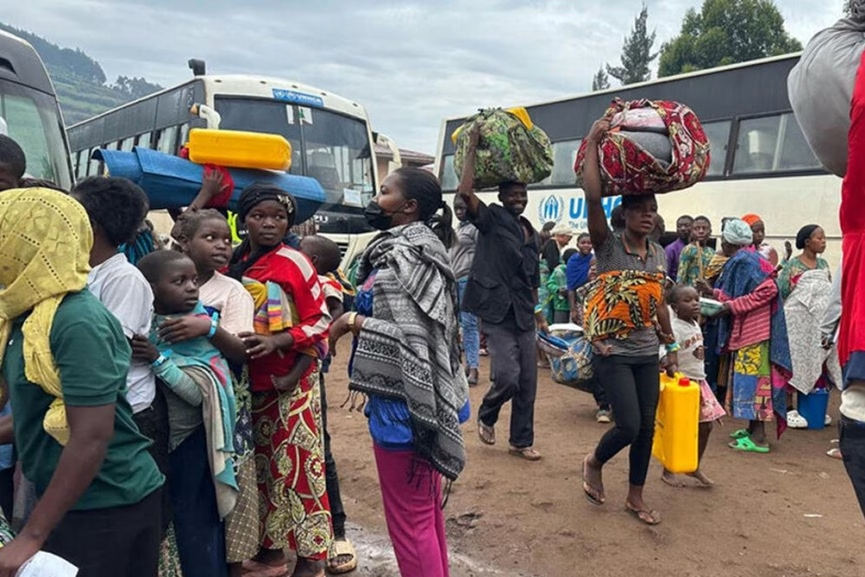
Uganda: Uganda has halted asylum and refugee status for new arrivals from Eritrea, Somalia, and Ethiopia, driven by severe cuts in international funding for its refugee response.
Refugees Minister Hillary Onek said officials had been directed to stop registering asylum seekers from countries he described as not currently at war. He said the system could no longer absorb new arrivals without sufficient financial support.
Onek said Uganda once received about 240 million dollars annually from the UN refugee agency, but with the refugee population nearing two million, support has dropped to under 100 million dollars. This year, the country has received only 18 million dollars, a level he described as dire for both refugees and the communities hosting them.
The announcement came as South Korea donated 2,544 tonnes of rice to the World Food Programme in Gulu, enough to assist around 600,000 refugees across 13 settlements. The WFP has also been facing major funding shortages, cutting food rations for a million people earlier this year.
Uganda hosts Africa’s largest refugee population, including more than 56,000 Eritreans, close to 50,000 Somalis, and about 16,000 Ethiopians. Many fled forced conscription, political persecution, or climate-driven hardship. Humanitarian groups warn that the new policy could leave thousands in dangerous limbo.
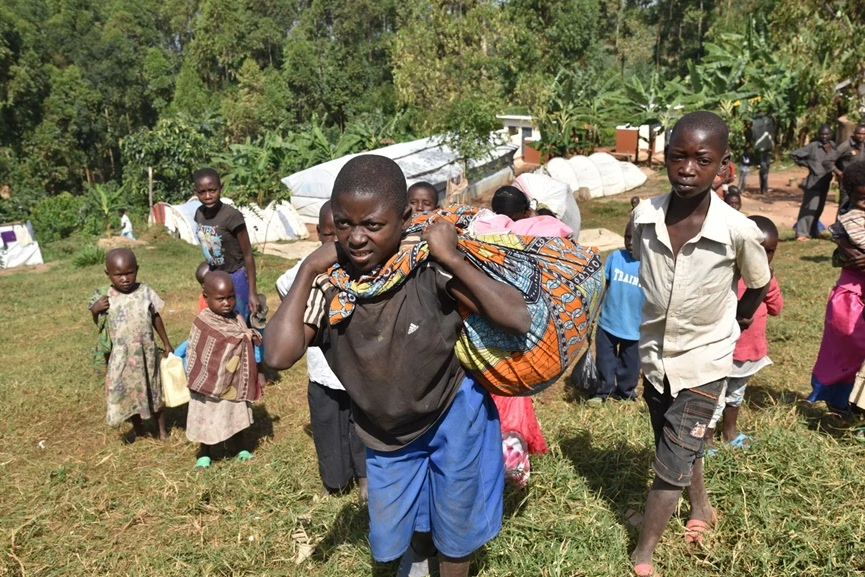
An Eritrean refugee official in Kampala, speaking anonymously, said the decision carries life-threatening risks for people who cannot safely return home. Analysts say shrinking support from major donors, including recent reductions in US and UK aid, has weakened Uganda’s ability to maintain its long-standing open-door approach.
Abdullahi Halakhe of Refugees International said the directive reflects a wider global tightening of refugee policies. He warned that many affected people will be left without a path forward, unable to return home, resettle elsewhere, or integrate legally in Uganda.
Uganda’s refugee response plan for 2025, budgeted at 968 million dollars, remains severely underfunded. The UN refugee agency said in August that only a quarter of the required amount had been secured, placing essential services at risk and threatening to reverse years of progress.
The move marks a significant departure from Uganda’s reputation for progressive refugee policies, which have allowed refugees to work, move freely, and access public services.