
Mumbai: A new wave of young Indians is reshaping daily life through bio-hacking- a lifestyle shift centred around mindful routines, measured habits, and a growing desire for balance in a fast-paced world. What began as a fringe wellness trend has swiftly become a defining movement among urban youth.
Cold Plunges and Sunrise Rituals Take Over City Mornings
Across Mumbai, Bengaluru, and Gurugram, early mornings now bring an unusual sight: ice-filled tubs lined up in parks as groups take quick cold dips to jumpstart their energy.
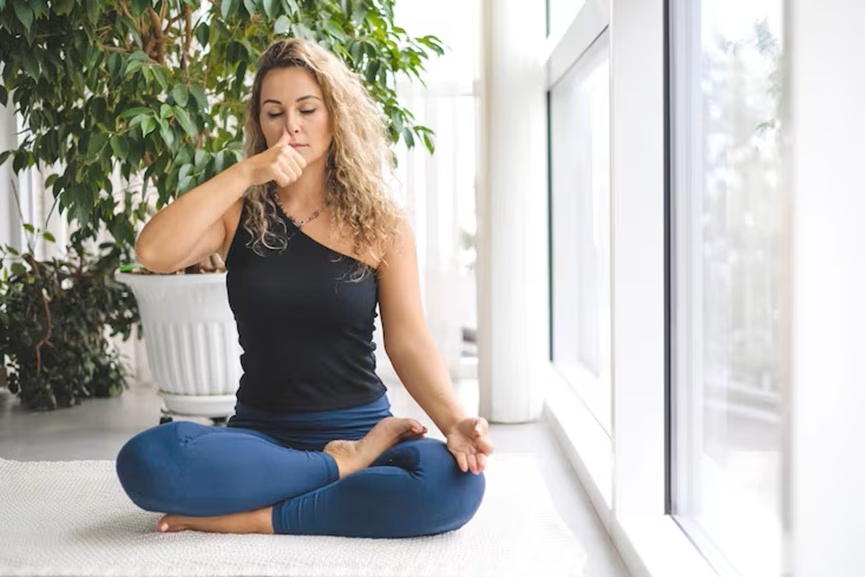
Wellness studios offering breath-work, red-light therapy, and metabolic health assessments say the demand has grown sharply over the past year. These practices, once seen only in influencer circles, have quietly made their way into mainstream routines.

Small Habits, Big Shifts in Lifestyle
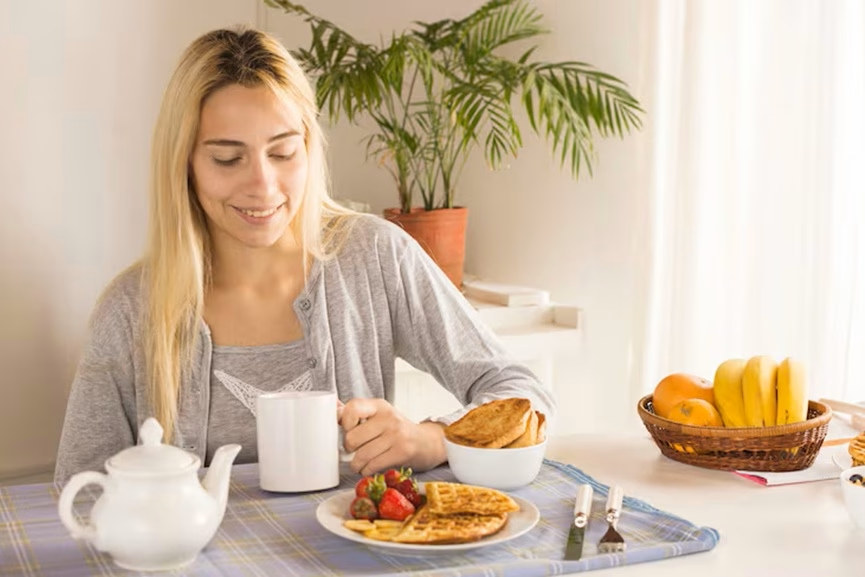
For many young professionals, bio-hacking has nothing to do with expensive devices. Instead, the focus is on intentional living- structured sleep schedules, sunlight exposure, timed caffeine intake, and minimal screen use after dark.
Intermittent fasting, hydration targets, and glucose-awareness routines are becoming common among those trying to maintain steady energy through long workdays.
Many turned to bio-hacking after experiencing burnout. Some begin with a cold shower followed by simple breathing exercises. The shift helped bring back focus and calm that modern life often takes away.
The trend has created a booming ecosystem. Fitness apps now offer circadian rhythm settings, personalised breathing plans and habit trackers. Cafés in major cities serve no-sugar drinks, mushroom-based coffees and herbal tonics aimed at boosting cognitive performance.
Startups producing wearable sleep monitors and glucose sensors report a spike in sales, with most new customers in the 18–30 age group who are trying these tools for the first time.

Why the Movement Is Growing So Fast?
Experts say young Indians are turning to bio-hacking as a response to digital overload, unpredictable work hours, and fatigue caused by commutes and constant notifications. For many, bio-hacking provides something rare: a sense of control. The movement’s appeal lies in its simplicity, small, deliberate habits promising big improvements in mood, productivity and daily well-being.
Social media platforms are filled with cold-plunge challenges, morning routine reels and tips on resetting daily rhythms. But at its core, the trend is less about aesthetics and more about feeling better.
The bio-hacking boom reflects a cultural turning point. India’s youth are no longer chasing perfection- they are chasing balance, clarity, and stability in a world that rarely slows down.