

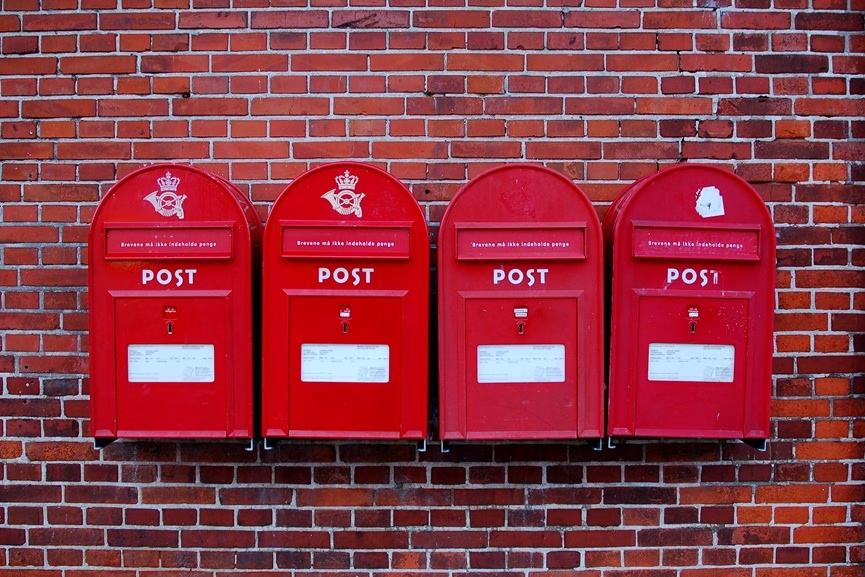
Denmark: Denmark is preparing to close the final chapter of one of its oldest public services. On December 30, the country’s postal service will deliver its last letter, bringing an end to more than four centuries of letter delivery that began in 1624.
The decision reflects a dramatic shift in how Danes communicate. Earlier this year, PostNord announced it would stop handling letters in Denmark, citing the rapid digitalisation of society and a steep decline in traditional mail. The move will result in 1,500 job losses and the removal of 1,500 iconic red postboxes across the country.
Denmark is among the most digitally connected nations in the world. Letter volumes have fallen by more than 90 percent over the past 25 years, while online shopping and parcel deliveries continue to grow. PostNord has decided to focus entirely on parcel services, which remain in high demand. Letter delivery will continue in Sweden, where the company also operates.
The end of letter delivery has sparked unexpected public interest. When 1,000 dismantled postboxes were put up for sale earlier this month, they sold out in just three hours. Prices ranged from 1,500 to 2,000 Danish kroner depending on condition, and another 200 postboxes will be auctioned in January. PostNord has also said unused Danish stamps can be refunded for a limited period.
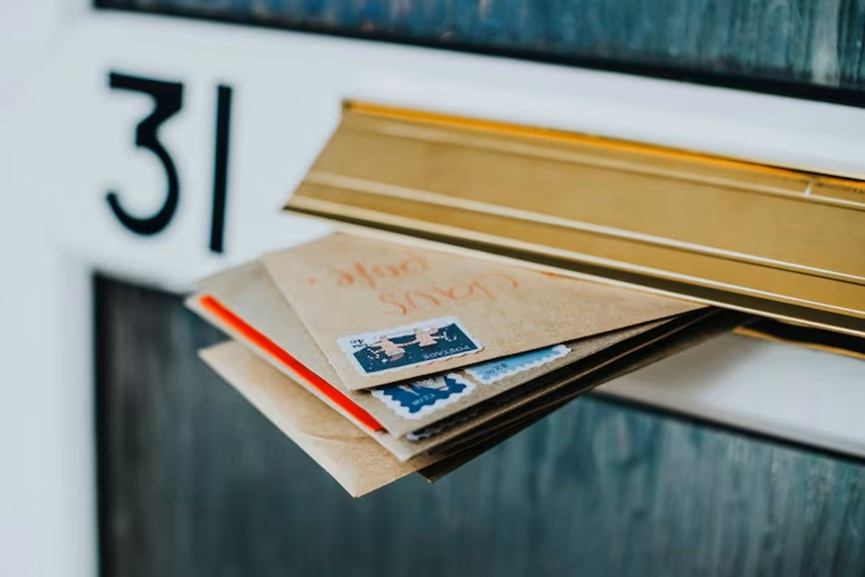
Letters will not disappear entirely from Denmark. Private delivery firm Dao will take over letter services from January 1, expanding its operations significantly. However, the experience will change. Customers will need to visit Dao shops or pay extra for home collection, and postage will be handled digitally through apps or online payments.
By law, Denmark must always offer the option to send letters. If Dao were ever to stop, the government would be required to appoint another provider. Officials insist the change will make little practical difference, describing it as largely symbolic.
Yet for historians and cultural observers, the moment feels final. With nearly all official communication now delivered through Denmark’s digital ID system MitID, physical mail has become rare. Ninety-seven percent of people aged 15 and over are enrolled in the system, and only a small minority have opted out.
Ironically, the decline has made handwritten letters more meaningful. Research suggests younger people are rediscovering letter-writing as a deliberate escape from constant digital communication. Receiving a handwritten letter today carries emotional weight, precisely because it requires time, effort, and cost.