
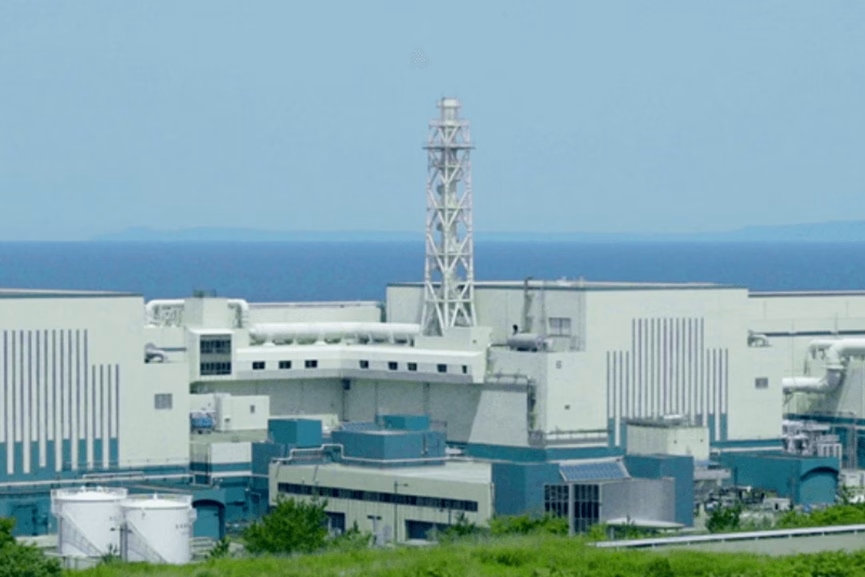
Niigata, Japan: Japan has taken a decisive step toward restarting the world’s largest nuclear power plant, nearly 15 years after the Fukushima disaster reshaped its energy policy.
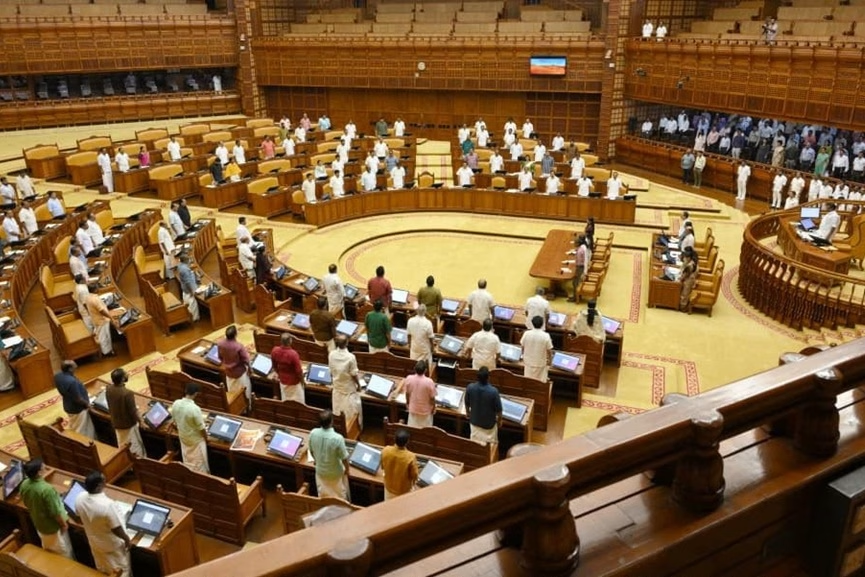
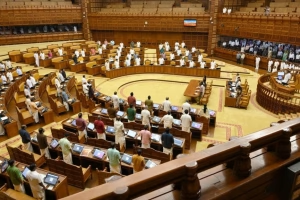
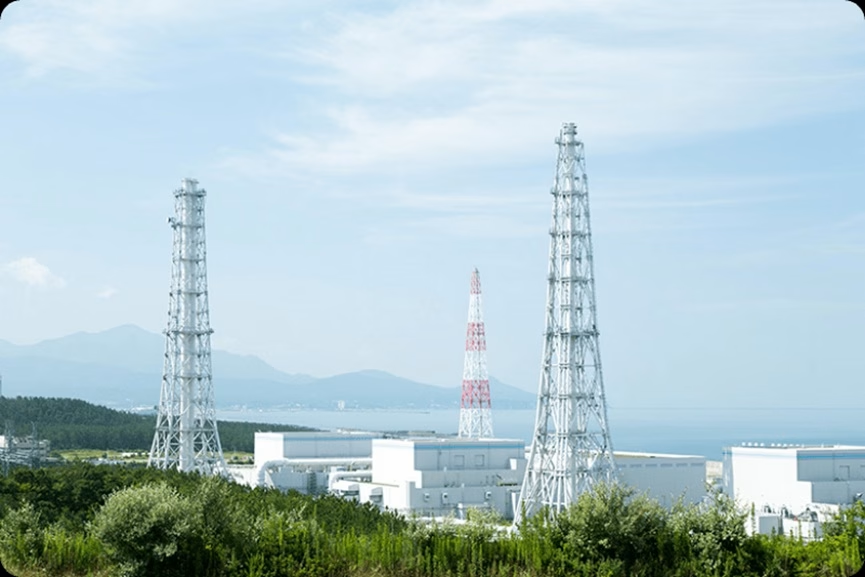
The Kashiwazaki-Kariwa nuclear complex, located about 220 kilometres northwest of Tokyo, moved closer to resuming operations on Monday after the Niigata prefectural assembly passed a vote of confidence in Governor Hideyo Hanazumi.
The governor had signalled his support for the restart last month, and the assembly’s decision is widely seen as the final regional approval required for operations to resume.
The plant, operated by Tokyo Electric Power Co, was among 54 reactors shut down nationwide following the 2011 earthquake and tsunami that triggered the Fukushima Daiichi nuclear meltdown. Since then, Japan has restarted 14 of the 33 reactors still deemed operable, as it seeks to reduce its heavy reliance on imported fossil fuels. Kashiwazaki-Kariwa would be the first reactor restart under TEPCO, the same utility that operated the Fukushima plant.
While the vote cleared a key political hurdle, it also laid bare deep divisions within the local community. Lawmakers supporting the governor pointed to economic benefits, including job creation and the prospect of lower electricity bills. Opponents argued the decision failed to reflect public sentiment in a prefecture still shaped by memories of nuclear disaster.
Outside the assembly building, around 300 protesters gathered in freezing temperatures, holding banners opposing the restart and expressing solidarity with Fukushima victims. Demonstrators questioned whether TEPCO should be trusted to operate another nuclear facility, drawing chants of rejection from the crowd.
Public broadcaster NHK reported that TEPCO is considering restarting the first of the plant’s seven reactors as early as January 20. The company said it remains committed to preventing any repeat of past accidents and ensuring the safety of Niigata residents, while declining to confirm a timetable.
Despite the political green light, public scepticism remains strong. Earlier this year, TEPCO pledged to invest 100 billion yen in Niigata over the next decade to build local support. Yet a prefectural survey published in October showed that 60 percent of residents believed conditions for a restart had not been met, and nearly 70 percent expressed concern about TEPCO’s ability to safely operate the plant.
Even Governor Hanazumi has acknowledged lingering public anxiety, saying he ultimately hopes Japan can move toward energy sources that do not generate fear among citizens.
From a national perspective, the restart is seen as a strategic move to strengthen energy security. The first reactor alone could raise electricity supply to the Tokyo region by around 2 percent, according to the trade ministry. Prime Minister Sanae Takaichi, who took office two months ago, has openly backed nuclear restarts as a way to curb increasing fuel import costs and reduce dependence on overseas energy.
Imported fossil fuels currently account for 60 to 70 percent of Japan’s electricity generation. Last year, the country spent more than 10 trillion yen on liquefied natural gas and coal, roughly a tenth of its total import bill.
Energy demand is expected to climb further over the coming decade despite Japan’s shrinking population, driven by the rapid expansion of power-hungry AI data centres. To meet that demand while honouring its climate commitments, the government aims to double nuclear power’s share of the energy mix to 20 percent by 2040.
Industry analysts say public acceptance of the Kashiwazaki-Kariwa restart would be a critical milestone toward achieving those goals. Momentum has already begun to build elsewhere, with Kansai Electric Power announcing plans earlier this year to survey a site for a new reactor in western Japan, the first such move since Fukushima.
For protesters outside the Niigata assembly, however, the revival of nuclear power is a painful reminder of unresolved risks. For those who lived through Fukushima, the fear is not abstract but deeply personal, rooted in displacement, loss, and a lingering sense that the lessons of the past must not be forgotten.