
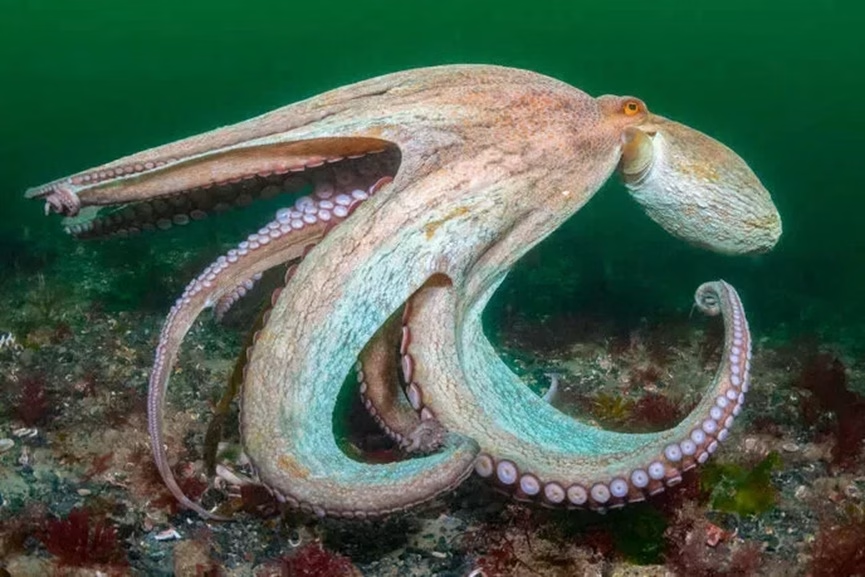
Cornwall and Devon: 2025 has been declared the ‘Year of the Blooming Octopus’ after record numbers of the eight-armed cephalopods were spotted off England’s south-west coast. According to the Wildlife Trusts’ annual marine review, octopus numbers reached their highest levels since 1950.
Warmer winters, linked to climate change, are believed to be driving the population surge. Official figures show more than 1,200 tonnes of octopus were caught by UK fishermen over the summer, a sharp rise from previous years, when landings rarely exceeded 200 tonnes.
Most of the octopuses spotted are Octopus vulgaris, a species typically found in the warmer Mediterranean Sea. Volunteers reported a 1,500 percent increase in sightings along certain stretches of the south coast compared with 2023.
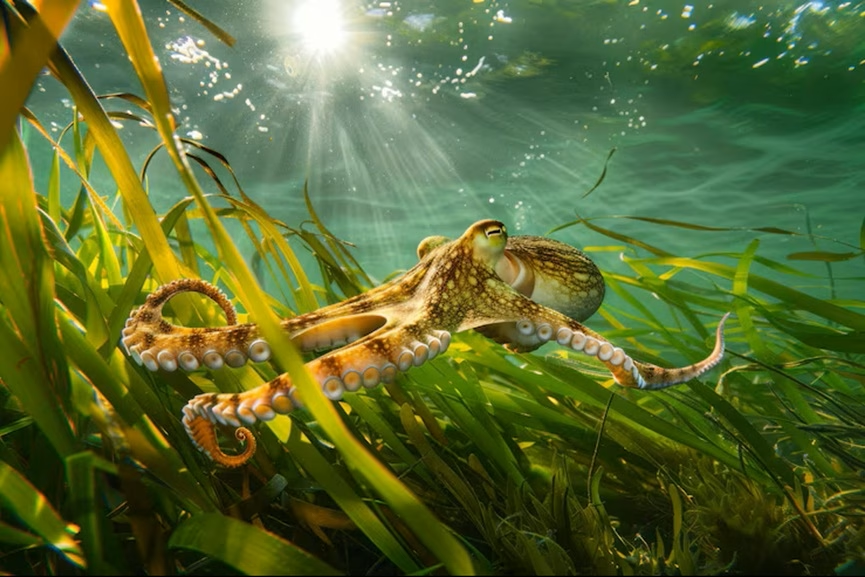
Observers noted remarkable behaviour, from jet-propelling across the seabed to camouflaging as seaweed and even walking with two arms while casually moving away from divers.
It remains unclear whether the population spike is permanent or part of a cyclical pattern. The Wildlife Trusts warned that the octopuses’ appetite for shellfish, including lobsters, crabs, and scallops, could impact both local ecosystems and the fishing industry. Fishermen are studying how to adapt to the changing marine environment and shifting species populations.
Alongside the octopus boom, the Trusts’ review highlighted environmental challenges. Earlier this year, a North Sea collision between an oil tanker and a container ship spilled large amounts of plastic resin pellets, followed by nearly 4.5 tonnes of bio-beads released from a Sussex water treatment plant in November.
There was also encouraging news for other wildlife. A record 46,000 puffins were recorded on Skomer Island, Pembrokeshire, while the Isle of Muck saw the return of black-and-white puffins thanks to conservation efforts that removed invasive brown rats.
The Wildlife Trusts’ report underscores both the remarkable resilience of some species and the ongoing pressures on marine life from human activity and climate change.