
New Delhi: A thick blanket of dense fog combined with hazardous air pollution brought daily life in Delhi and the National Capital Region to a near standstill on Monday, disrupting flight operations, delaying trains, and slowing road traffic across large parts of north India.
Low visibility at Indira Gandhi International Airport severely impacted aviation operations, forcing airlines to cancel or delay several flights as safety concerns mounted. At the same time, residents woke up to another grim winter morning, with toxic air and fog choking visibility across the city.
Visibility Drops to Near Zero
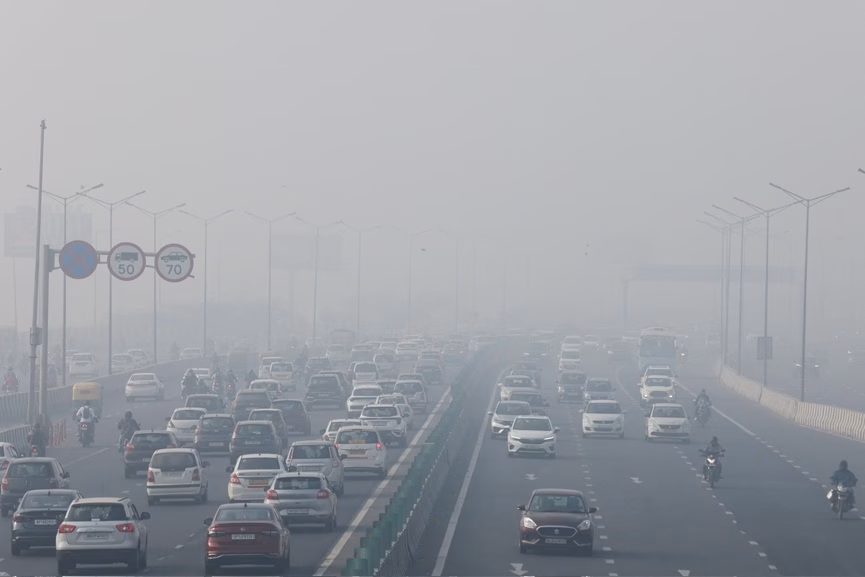
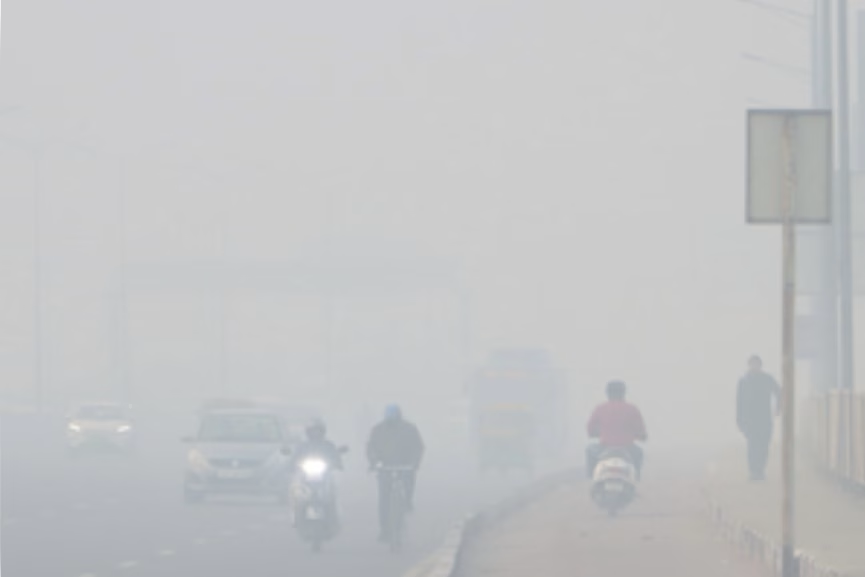
Dense fog began settling over Delhi late Sunday night, reducing visibility to as low as 50 metres in many areas and nearly zero in some pockets. Motorists moved cautiously with headlights on, while traffic crawled on major roads. Areas such as Anand Vihar, Dhaula Kuan, Akshardham, Dwarka, and Kartavya Path were among the worst affected.
The India Meteorological Department issued a red alert for very dense fog during the early morning hours, advising people to avoid unnecessary travel and exercise extreme caution while driving.
Poor visibility forced airlines to cancel multiple flights from Delhi to major cities, including Mumbai, Bengaluru, Hyderabad, Chennai, Kolkata, Ahmedabad, and Guwahati. Air India reported the highest number of cancellations, while several IndiGo flights were also impacted. Airline officials said landing and take-off operations in such conditions carry serious safety risks. Passengers were informed in advance about cancellations and delays.
Weather forecast for tomorrow morning indicates dense fog with low visibility in parts of northern India, including Delhi, which is likely to impact flight operations.
We have taken proactive steps to minimise disruptions (learn more at https://t.co/RJc1tVFxuD).…
— Air India (@airindia) December 28, 2025
Rail services were also badly hit, with more than 40 trains arriving late at New Delhi, Old Delhi, Anand Vihar, and Hazrat Nizamuddin stations. Several Rajdhani and superfast trains were delayed by three to six hours. Even premium services such as Vande Bharat, Shatabdi, and Duronto were running behind schedule.
Northern Railway said low visibility prevents loco pilots from spotting signals clearly, forcing trains to operate at reduced speeds. Passengers were advised to check train status before starting their journeys.
Air Quality Turns Severe
According to the Central Pollution Control Board, Delhi’s average Air Quality Index reached 400 by 9 am, placing it in the severe category. Several monitoring stations recorded readings well above 400, indicating extremely hazardous conditions. Pollution levels across NCR cities such as Noida, Ghaziabad, Gurugram, and Greater Noida also remained in the poor to severe range.
The weather office said foggy conditions are likely to persist over the next two days, with cloudy skies and minimum temperatures between 7 and 9 degrees Celsius. With air quality deteriorating again, GRAP Stage III restrictions continue in Delhi, and authorities warned that stricter measures could follow if pollution worsens.
Health experts have urged residents, especially children, the elderly, and those with breathing problems, to limit outdoor exposure and strictly follow official advisories as the dangerous mix of fog and pollution lingers.