
Washington: The Trump administration has released updated dietary guidelines urging Americans to focus on whole and minimally processed foods while reducing refined carbohydrates and added sugars.
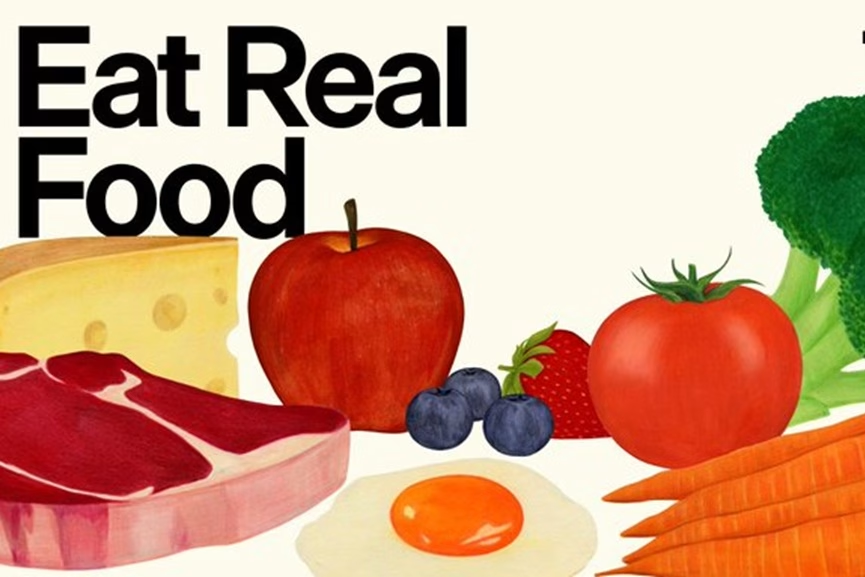
The guidance encourages prioritizing high-quality protein, healthy fats, fruits, vegetables, and whole grains, while avoiding highly processed foods.
The new recommendations were presented by Health and Human Services Secretary Robert F. Kennedy Jr and Agriculture Secretary Brooke Rollins at a White House briefing. Officials said the guidelines reflect elements of Kennedy’s Make America Healthy Again initiative, which promotes eating real food and preventing chronic disease.
BREAKING: The Trump Administration announces the 2025-2030 Dietary Guidelines for Americans, putting REAL FOOD back at the center of health. 🇺🇸https://t.co/tkGF01onpm pic.twitter.com/1zTLSKdE7R
— The White House (@WhiteHouse) January 7, 2026
Kennedy highlighted the risks of highly processed foods, stating that items loaded with additives, sugar, and excess salt can harm health. The updated guidance introduces a streamlined format that is significantly shorter than the nearly 150-page 2020 guidelines, focusing on clear, practical advice rather than extensive technical detail.
A new visual framework replaces the classic American food pyramid with an inverted pyramid that places meats and vegetables at the widest point, signaling their importance in the diet.
Introducing: The New Pyramid pic.twitter.com/NR03y6bqos
— HHS (@HHSGov) January 7, 2026
The guidelines also provide specific recommendations on fats, advising Americans to prioritize oils rich in essential fatty acids, such as olive oil, while allowing for traditional fats like butter or beef tallow, consistent with Kennedy’s stance against seed oils.
EAT REAL FOOD. https://t.co/529KCib9LF
— Secretary Kennedy (@SecKennedy) January 7, 2026
Administration officials said following the updated guidelines can help prevent or slow the progression of chronic disease, reinforcing the core message of the Maha movement. The recommendations also include supplemental pages offering research and justification for the advice, while keeping the main guidance concise and accessible for everyday use.