
New Delhi: The Indian government has asked quick-commerce platforms to stop advertising 10-minute delivery guarantees, citing growing concerns over rider safety and working conditions. The move follows talks between the federal labour ministry and company representatives after a nationwide strike by delivery workers last month.
Major platforms, such as Zomato, Blinkit, and Zepto, were part of the discussions. These services have gained popularity in urban areas by enabling customers to order groceries, electronics, and household goods for near-instant delivery.
While customers have embraced the speed and convenience, critics argue that ultra-fast delivery targets place intense pressure on gig workers and encourage risky behaviour on the road.
Thousands of riders joined last month’s strike, demanding safer conditions, fair pay, and basic dignity at work. Though customer disruption was limited, the protest triggered a wider debate about the human cost of rapid delivery models.
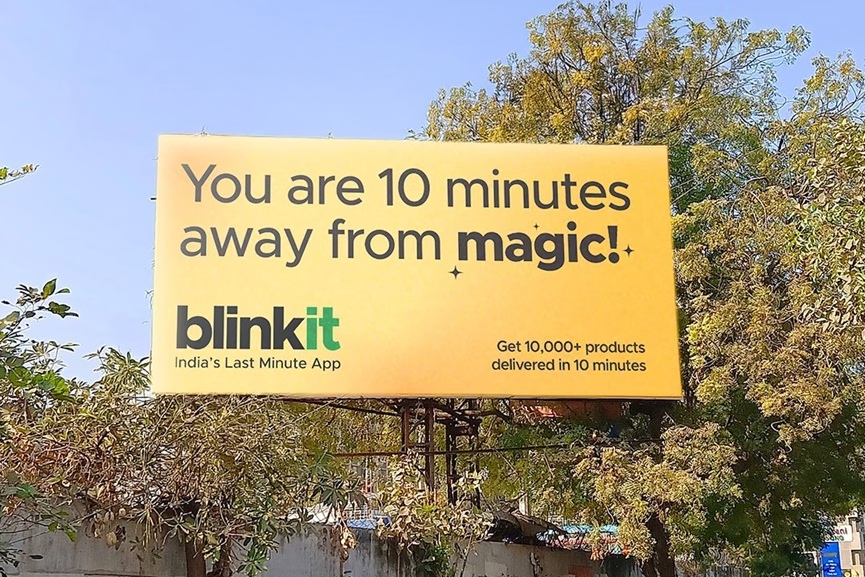
Following the strike, the labour ministry urged companies to move away from fixed, aggressive delivery timelines. Some platforms, including Blinkit, have already removed the explicit 10-minute promise from their branding and marketing, officials said. Others are expected to follow.
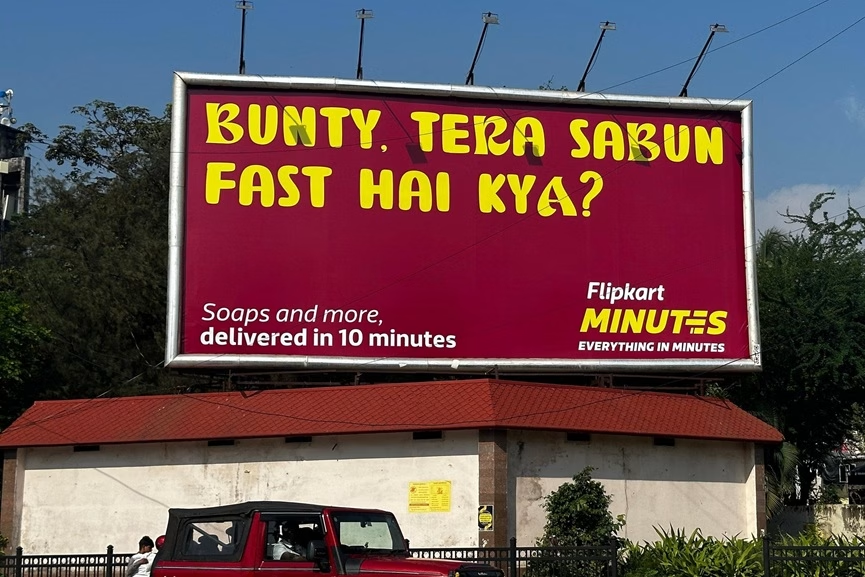
However, in several cities, app-based delivery estimates on Tuesday were still showing arrival times of under 10 minutes. Many companies operate small warehouses close to residential areas, allowing orders to be completed quickly even without a formal guarantee.
Quick commerce has expanded rapidly in India since the Covid pandemic, reshaping shopping habits in major cities. The sector’s growth has coincided with the rise of the gig economy, which government estimates say could grow from 7.7 million workers in 2021 to more than 23 million by 2030. As competition intensified, companies promised ever-faster deliveries, raising customer expectations and increasing pressure on riders.
Labour unions welcomed the government’s intervention, calling it an important step towards protecting gig workers. Others warned that pressure would remain even without formal deadlines, as speed is built into how platforms allocate orders and reward performance.
For many riders, gig work is not a side income but their primary livelihood. Despite working full-time hours, they remain classified as independent contractors, without access to benefits, job security or long-term growth.