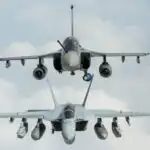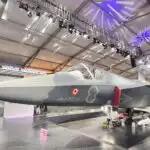

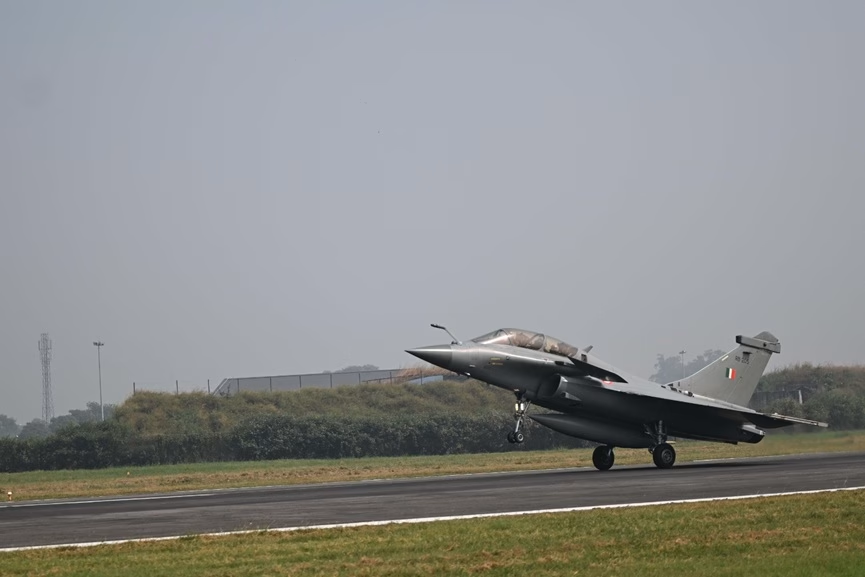
New Delhi: India has advanced plans to strengthen its air combat capabilities after the Defence Procurement Board cleared the acquisition of 114 Rafale fighter jets from France’s Dassault Aviation. Valued at an estimated ₹3.25 lakh crore, the plan is set to become the largest single aircraft acquisition in the history of the Indian Air Force.
The approval, cleared by the Defence Secretary, marks the beginning of a multi-layered decision-making process. The proposal will now move to the Defence Acquisition Council, the country’s highest military procurement body, before being placed before the Cabinet Committee on Security for final clearance.
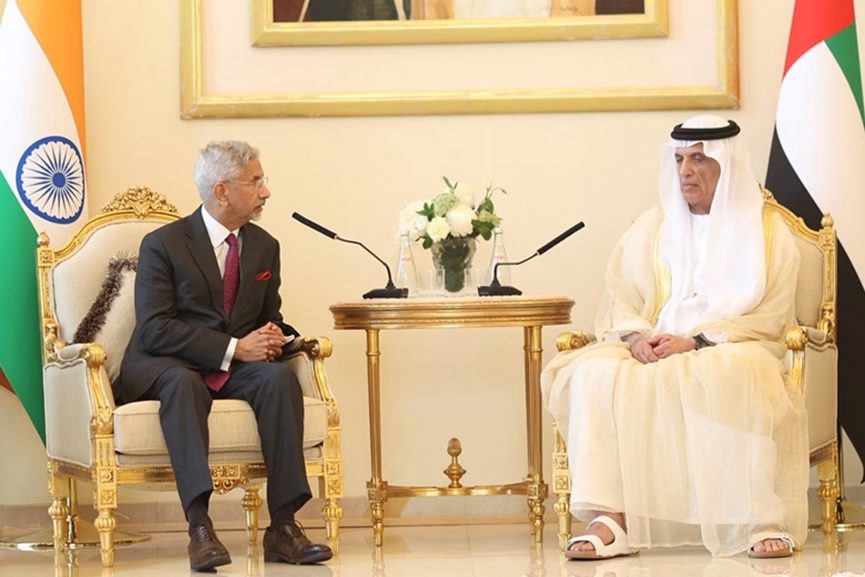
The timing is significant, coming just ahead of French President Emmanuel Macron’s scheduled visit to India from February 17 to 19. During the visit, India and France are expected to deepen strategic cooperation, including the launch of the India-France Year of Innovation and the Artificial Intelligence Impact Summit.
The fighter jet purchase is expected to be executed through an intergovernmental agreement, with no private intermediaries involved. If approved, deliveries of the first batch of 12 to 18 aircraft are expected to begin around 2030.
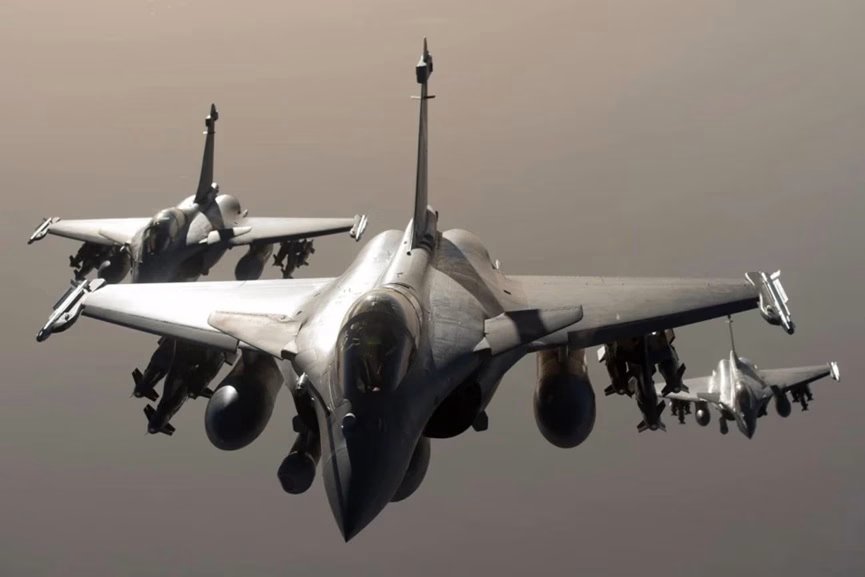
The remaining jets will be manufactured in India in partnership with an Indian firm, with indigenous content ranging between 30 and 60 percent. This would include Indian-made weapons, missiles, and secure communication systems.
Dassault Aviation has already strengthened its presence in India by setting up a maintenance, repair, and overhaul facility in Noida, which has been operational since 2025. This is expected to play a key role in supporting the expanded Rafale fleet.
The Indian Air Force currently operates 36 Rafale fighters, while the Navy has ordered 26 naval variants to be deployed from aircraft carriers. Those aircraft are scheduled for delivery between 2029 and 2031. Once the proposed 114-jet deal is completed, India’s total Rafale fleet will rise to 176 aircraft across the air force and navy.
The acquisition comes at a critical time for the IAF, which is operating with just 29 to 31 fighter squadrons against an authorised strength of 42. The shortfall, caused by the phased retirement of older MiG aircraft, has placed pressure on operational readiness. The Rafale induction is expected to significantly narrow this gap and restore combat strength over the coming decade.