
Tehran/Dubai: The International Energy Agency cautioned that the ongoing conflict in Iran is severely disrupting oil trade flows worldwide, raising concerns over energy security and market stability. The IAE sharply cut its daily oil supply growth forecast, predicting that global supply could fall by as much as 8 million barrels per day in March alone.
In its monthly Oil Market Report, the IEA now expects global oil supply to grow by just 1.1 million barrels per day in 2026, a steep decline from its earlier forecast of 2.4 million barrels. All projected growth is expected to come from producers outside the OPEC+ alliance, as Gulf nations curb output due to the conflict.
Brent crude has surged past $100 per barrel after previously touching $120, with analysts warning that further attacks on energy facilities and shipping could drive prices even higher.
The disruption stems from a US–Israel strike on Iran on February 28, which triggered missile and drone attacks by Tehran on oil infrastructure in Saudi Arabia and Kuwait.
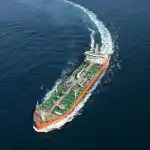
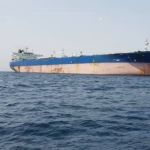
Iran has also threatened to block tankers passing through the Strait of Hormuz, one of the world’s most critical energy chokepoints, which handles around 20 percent of the global oil supply and significant volumes of liquefied natural gas.
The Middle East war is creating the largest supply disruption in the history of oil markets
As a result, IEA Members have agreed to release 400 million barrels of emergency oil stocks to support market stability
More in our latest Oil Market Report ➡️ https://t.co/McMLAo4Ovn pic.twitter.com/FKwGwCd6G3
— International Energy Agency (@IEA) March 12, 2026
Ship traffic through the strait has plummeted to less than 10 percent of normal levels, halting roughly 15 million barrels of oil per day. These disruptions, coupled with reduced regional production, have created severe supply shortages.
In response, IEA member nations agreed to release 400 million barrels from emergency reserves—the largest coordinated release in the agency’s history.
This strategic move, more than double the release following the 2022 Russia–Ukraine crisis, aims to stabilize prices in the short term. However, the IEA cautioned that even this massive release may not be enough if the conflict persists.
The reserves would cover only about 20 days of lost supply, and continued disruptions could trigger one of the most severe oil market shocks in decades—potentially rivaling crises seen in the 1970s.
The report highlights how geopolitical tensions in West Asia can ripple across the global economy, affecting not only energy prices but also supply chains, inflation, and economic growth worldwide.