
New Delhi: India and the Republic of Korea (ROK) have reaffirmed their intent to expand cooperation across energy, trade, and supply chains, strengthening the foundations of their Special Strategic Partnership amid evolving global market conditions.
In a joint statement, both countries underscored their shared commitment to an open, inclusive, and rules-based Indo-Pacific.
They described their economic and energy engagement as a key pillar of bilateral ties, built on mutual reliance and aligned market principles.
Focus on Energy and Trade Expansion
The two sides agreed to scale up energy trade and investment through the existing Comprehensive Economic Partnership Agreement (CEPA) and other bilateral mechanisms.
India continues to be a significant supplier of naphtha and related petroleum feedstocks to South Korea, while Seoul remains a major exporter of refined petroleum products and lubricant base oils to India.
Officials said both nations are keen to maintain steady trade flows in these critical sectors, ensuring that industries in both countries remain insulated from global disruptions.
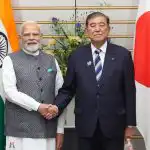
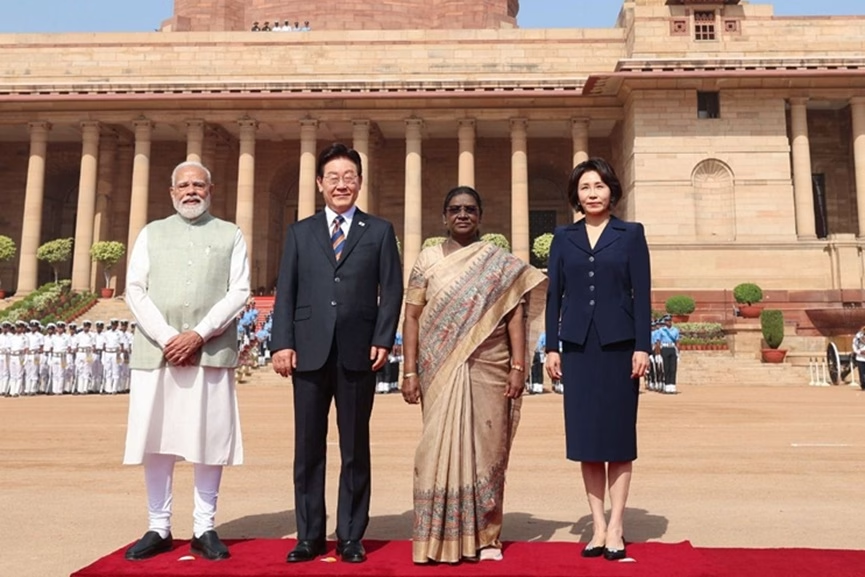
Our talks today covered ways to deepen cooperation in various sectors ranging from chips to ships, from talent to technology, from entertainment to energy. We have taken numerous important decisions to take bilateral trade to fifty billion dollars by 2030. pic.twitter.com/a6Xht02GaO
— Narendra Modi (@narendramodi) April 20, 2026
Supply Chain Resilience in Spotlight
A major focus of the discussions was on strengthening supply chain resilience in the energy sector. India and South Korea are committed to closer regional coordination, faster adoption of energy transition strategies, and support for open and transparent trade systems.
They also highlighted the importance of collaboration among major liquefied natural gas (LNG) consuming countries.
Such coordination, they noted, could improve pricing transparency, stabilize markets, and better reflect the interests of importing nations.
Maritime Strength and Shipbuilding Push
Recognizing the strategic role of maritime infrastructure, both countries stressed the need for robust shipbuilding capabilities to support energy transportation.
A diversified and technologically advanced shipbuilding ecosystem, they said, is vital for ensuring safe and efficient movement of energy resources.
India and South Korea plan to step up cooperation in this sector, including exploring the development of shipyards in India, upgrading existing facilities, building skilled manpower, and strengthening technology partnerships.
Addressing the joint press meet with President Lee Jae Myung of the Republic of Korea.@Jaemyung_Lee https://t.co/NpU97z4dzB
— Narendra Modi (@narendramodi) April 20, 2026
Shared Call for Open Global Systems
The two nations also urged regional partners to work collectively to keep global energy supply chains open and reliable.
They emphasized that stable energy flows are essential not just for economic growth, but also for the broader prosperity and security of their populations.
The renewed push signals a pragmatic approach by both countries to navigate shifting global dynamics while reinforcing long-term economic and strategic alignment.