
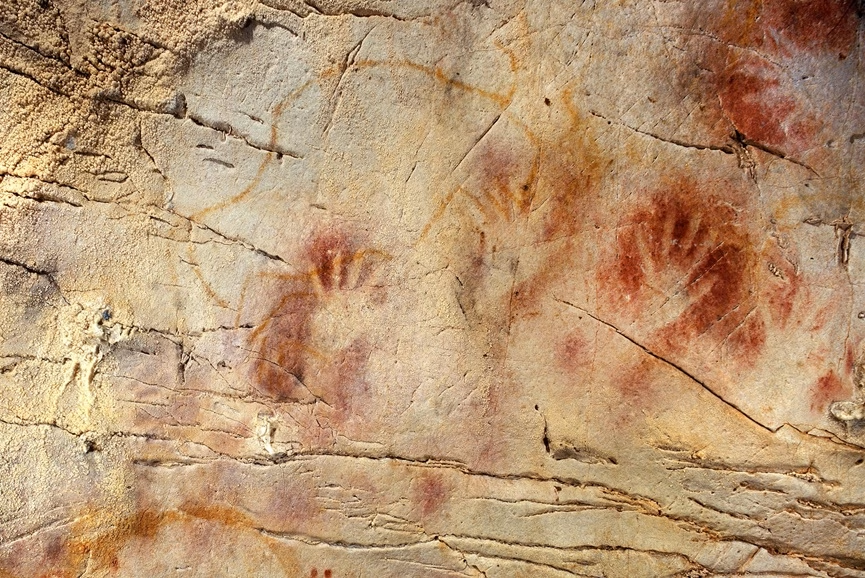
Indonesia: A faint outline of a human hand on a cave wall in Indonesia may be the oldest known example of rock art ever discovered, according to archaeologists who say it dates back at least 67,800 years.
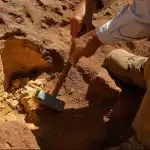
The hand stencil was found inside a limestone cave on Muna Island in south-eastern Sulawesi, a site frequently visited by tourists. For years, it went unnoticed, fading into the background among younger drawings of animals and symbols painted over thousands of years.
Researchers say the discovery does more than rewrite the history of art. It may also offer fresh clues about how early humans moved across Southeast Asia and eventually reached Australia. The stencil was most likely made by the ancestors of Indigenous Australians during a period when humans were beginning to spread across island chains in the region.
Dating ancient rock art has long been a challenge. In this case, scientists analysed tiny layers of calcite that formed over the painting, allowing them to determine a minimum age. The results suggest humans were creating symbolic art in Sulawesi far earlier than previously confirmed.
Archaeologists from Griffith University, who led the research, say Sulawesi holds one of the world’s richest records of early cave art. Earlier discoveries on the island include a dramatic hunting scene dated to more than 51,000 years ago, showing human-like figures interacting with animals.
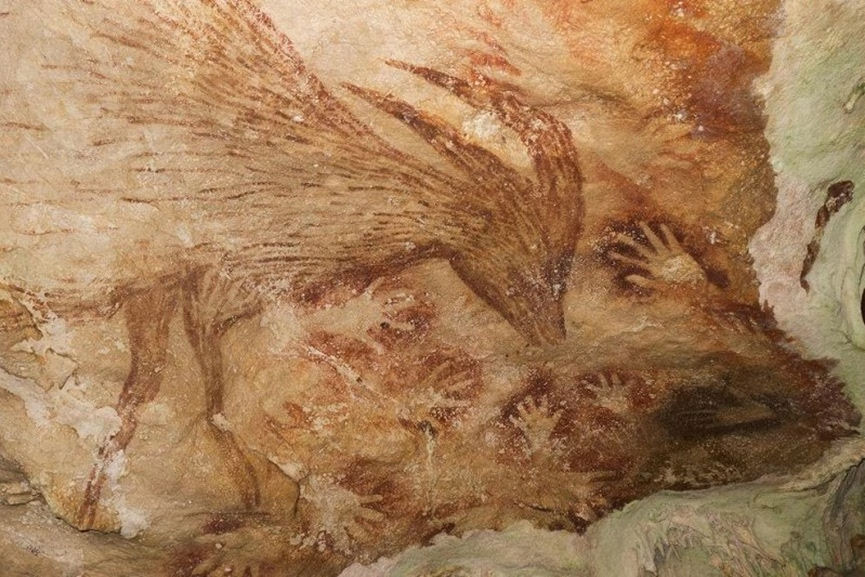
The newly dated stencil was found at Liang Metanduno cave, where people appear to have returned again and again to paint over tens of thousands of years. Some images on the cave walls are at least 35,000 years old, showing a long and continuous artistic tradition.
The hand image itself was created by placing a hand against the wall and spraying a mixture of ochre and water over it. What makes this stencil unusual is the shape of its fingers, which appear narrow and pointed. Researchers believe this was done deliberately, hinting at a symbolic meaning that remains unclear.
The discovery also feeds into a long-running debate about when and how humans first reached Sahul, the ancient landmass that once connected Australia, New Guinea, and Tasmania. While lower sea levels created land bridges between some islands, early humans still needed boats to cross open water. The Sulawesi art supports the idea that people took a northern route through the island chain before reaching Australia at least 65,000 years ago.
There is also debate over who exactly created the artwork. While the researchers argue the stencil’s design points to modern humans, some experts urge caution. Similar hand stencils in Spanish caves have been dated to more than 64,000 years ago and are believed to be the work of Neanderthals. Another ancient human group, the Denisovans, is known to have lived across parts of Asia, including Indonesia.
Some scholars say it remains unclear whether the unusual finger shapes were intentional or simply the result of movement while painting. They argue that early symbolic behaviour may not have been limited to Homo sapiens alone.