
Middle East: Key members of the OPEC+ oil alliance announced a larger-than-expected boost in production quotas, just as US and Israeli strikes on Iran triggered retaliatory attacks across the region.
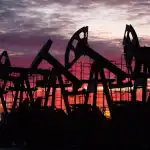
The eight-member V8 group, comprising Saudi Arabia, Russia, Kuwait, Oman, Iraq, the United Arab Emirates, Algeria, and Kazakhstan, said it would raise output by 206,000 barrels per day, to be implemented in April.
The official statement cited a “steady global economic outlook and healthy market fundamentals,” without mentioning the ongoing Iran conflict.
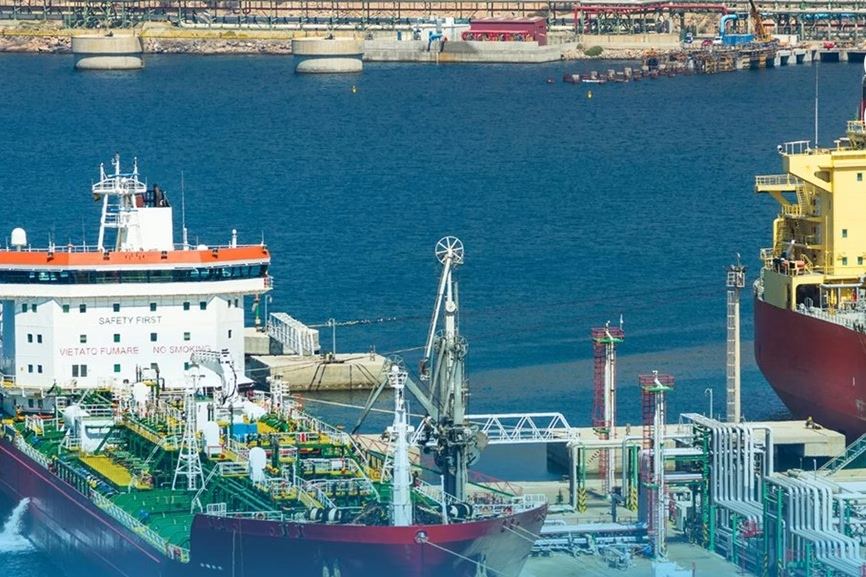
Despite the increase, analysts warn the move may be insufficient to stabilize global oil markets amid escalating risks in the Gulf. Jorge Leon, an energy analyst at Rystad Energy, said the real threat comes from Iran targeting the Strait of Hormuz, a vital shipping route handling nearly a quarter of the world’s seaborne oil. Iranian state media reported an oil tanker was hit while trying to transit the strait, showing footage of a burning vessel at sea.
“If oil cannot move through Hormuz, an extra 206,000 barrels per day does very little to ease the market,” Leon said. He added that market reactions would depend more on shipping and transit safety than production adjustments.
Saudi Arabia, Russia, Iraq, UAE, Kuwait, Kazakhstan, Algeria, and Oman adjust production and reaffirm commitment to market stability
Read Press Release ➡️https://t.co/MEO3HaBieL
— OPEC (@OPECSecretariat) March 1, 2026
Nightmare Scenario for Global Oil Markets
Analysts fear a full or partial closure of the Strait of Hormuz could send prices soaring from around $72 per barrel to $120–$150 when trading resumes on Monday. Stephen Innes, managing partner at SPI Asset Management, said insurers were already cancelling contracts and commercial shippers were acting as if the route were compromised.
Land pipelines from Saudi Arabia and the UAE could partly bypass the strait, but they would not fully replace the seaborne flow, leaving a potential shortfall of 8–10 million barrels per day.
While higher prices may seem advantageous for OPEC+ members, they could also encourage rival producers outside the cartel, including the US, Canada, and Brazil, to ramp up output. Analysts note that Russia’s production has plateaued, leaving Saudi Arabia, the UAE, Kuwait, and Iraq as the only members with meaningful spare capacity.
The OPEC+ decision highlights the delicate balance between boosting supply and maintaining price stability, especially as geopolitical risks in the Middle East continue to threaten global oil markets.