
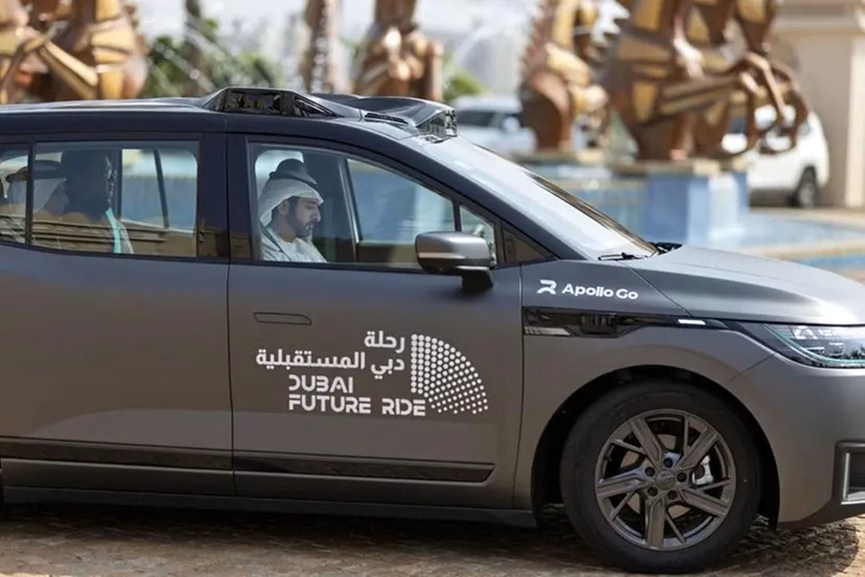
Dubai: Dubai has taken a major step toward the future of urban mobility with the launch of fully autonomous RT6 taxis, developed by Baidu’s Apollo Go.
The service was officially inaugurated by Dubai’s Crown Prince and Deputy Prime Minister, Sheikh Hamdan bin Mohammed bin Rashid Al Maktoum, with public rides expected to begin in early 2026.
The RT6 is Baidu’s sixth-generation driverless taxi, equipped with over 40 sensors, including high-precision LiDAR, multi-band radars, and advanced cameras. These technologies allow the vehicle to navigate city streets safely, detect its surroundings, follow traffic rules, and make real-time driving decisions.
Powered by advanced software that combines deep learning, high-definition maps, and live traffic data, the RT6 has already been tested globally, covering more than 150 million kilometers and completing over 10 million trips. This experience has helped Baidu develop scalable operational models suitable for commercial deployment.
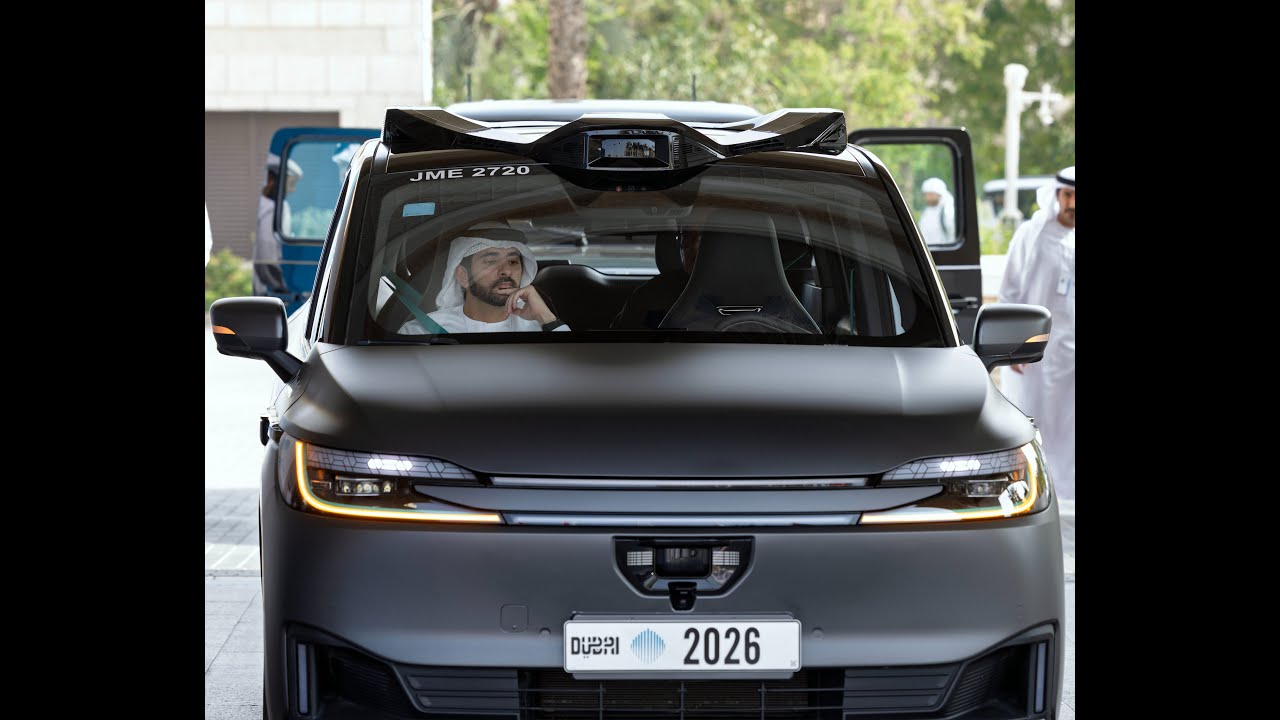
The Dubai RT6 project is the result of a collaboration between the Roads and Transport Authority (RTA) and Baidu Apollo Go, first explored at the World Government Summit in 2025. Within 10 months of signing a Memorandum of Understanding, trial operations began on selected city roads, highlighting Dubai’s efficient regulatory framework and readiness for smart infrastructure.
Baidu Apollo Go has also opened its first operations and control center outside China, in Dubai Science Park. Spanning 2,000 square meters, the center monitors the autonomous fleet, oversees daily operations, tracks vehicle performance, and manages software updates and maintenance.
Dubai plans to expand the RT6 fleet to over 1,000 vehicles in the coming years, reinforcing the city’s ambition to lead in AI-driven transport, enhance mobility, and improve the quality of life for residents and visitors.
This initiative builds on Dubai’s earlier steps toward autonomous transport. In 2021, the Crown Prince announced a partnership with San Francisco-based Cruise to deploy 4,000 autonomous electric pods by 2030, marking a long-term vision for modernizing urban mobility.