
Sofia: Bulgaria’s government resigned after months of rising public anger over economic decisions, stalled anti-corruption efforts, and deepening political divisions. The move ends the administration’s tenure less than a year after taking office and comes just weeks before the country is scheduled to join the euro zone on January 1.
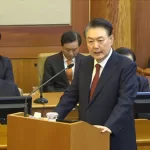
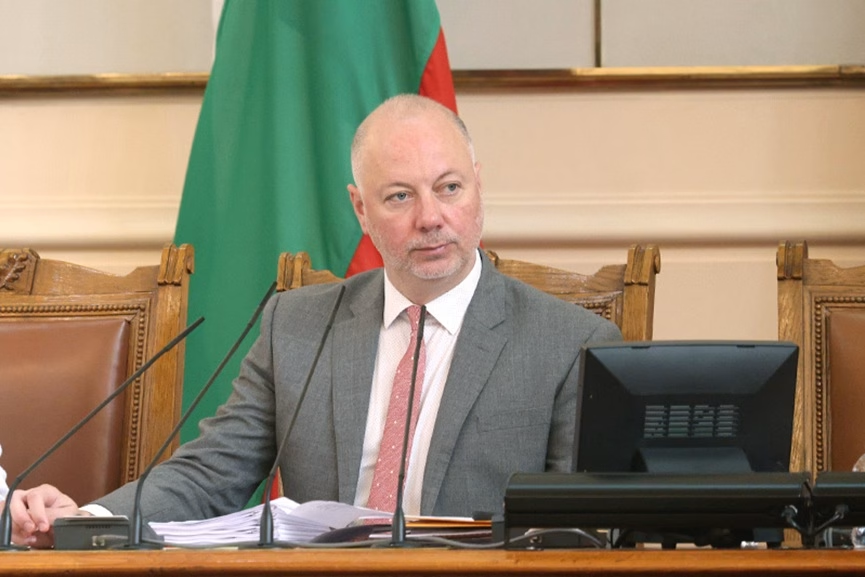
Prime Minister Rosen Zhelyazkov announced the resignation in a televised statement, delivered minutes before parliament was set to vote on a no-confidence motion. He said coalition leaders had met earlier in the day to review the political climate and concluded that stepping down was the most responsible path forward.
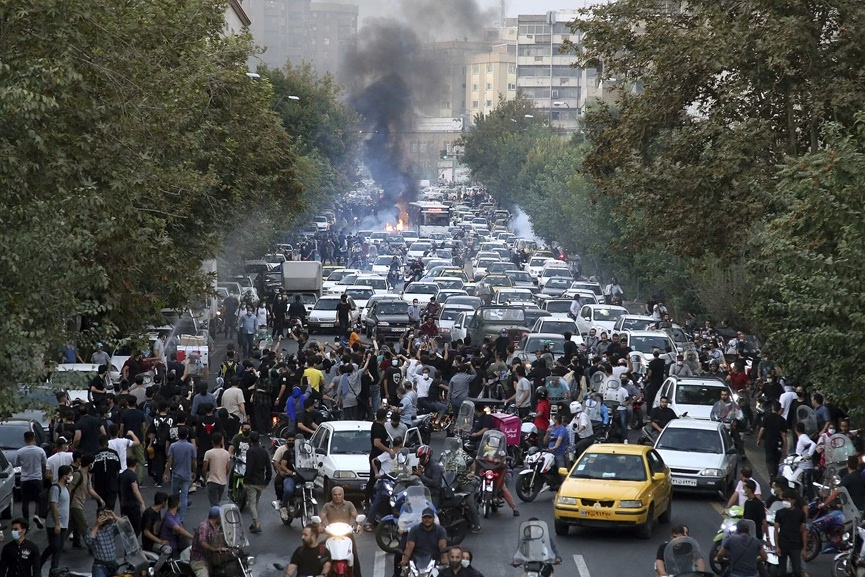
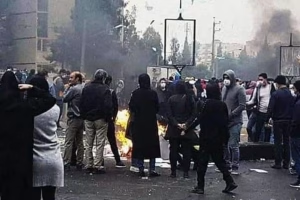
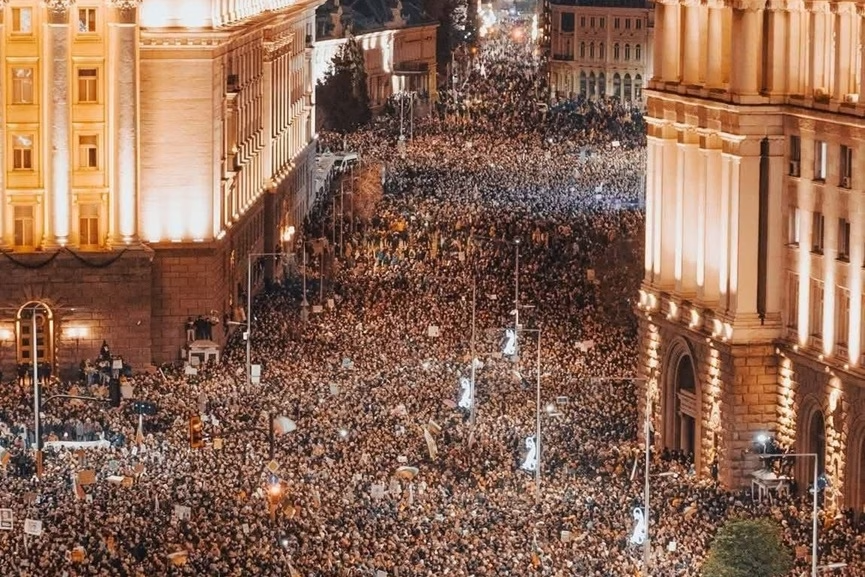
The decision followed major demonstrations across the country on Wednesday, when thousands took to the streets in Sofia and dozens of other towns. The protests were driven largely by frustration over endemic corruption and a perception that successive governments have failed to confront it. Many participants were younger, urban voters who want Bulgaria to fully integrate into Europe’s economic and political framework.
Zhelyazkov acknowledged the depth of public dissatisfaction, saying the recent protests reflected a broader call for integrity and accountability in public life. He described the demonstrations as a demand for values rather than a dispute over policies, noting that they drew support from across the political and social spectrum.
The government’s position weakened further last week after it withdrew its proposed 2026 budget, the first drafted in euros. The plan had triggered anger over potential increases in social security contributions and higher taxes on dividends, measures intended to support expanded state spending.
Even after the withdrawal, protests continued. Bulgaria has held seven national elections in four years, each shaped by entrenched political rivalries and a lack of stable parliamentary majorities.
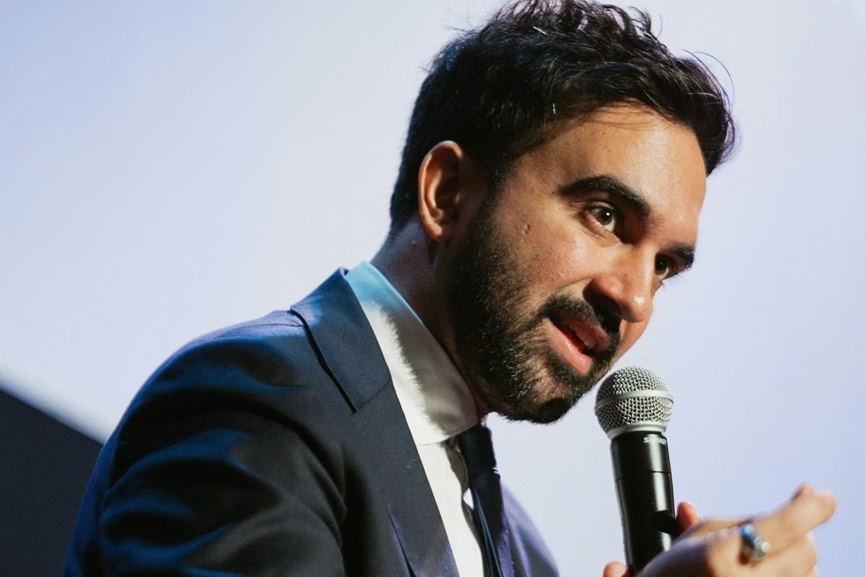
Opposition leader Asen Vassilev of the Continue the Change – Democratic Bulgaria alliance called the resignation an important step for the country. He urged authorities to ensure that the next election is conducted cleanly, without the irregularities that opposition parties say affected the most recent vote.
President Rumen Radev will now invite parliamentary parties to attempt to form a new government. If they fail, he is expected to appoint an interim cabinet to govern until new elections are held.
Boyko Borissov, leader of the centre-right GERB party that headed the outgoing coalition, defended the government’s record. He noted its role in securing Bulgaria’s entry into the Schengen free-movement zone and completing preparations for euro adoption. He said GERB would now shift into a strong opposition role and would work toward winning the next election.