

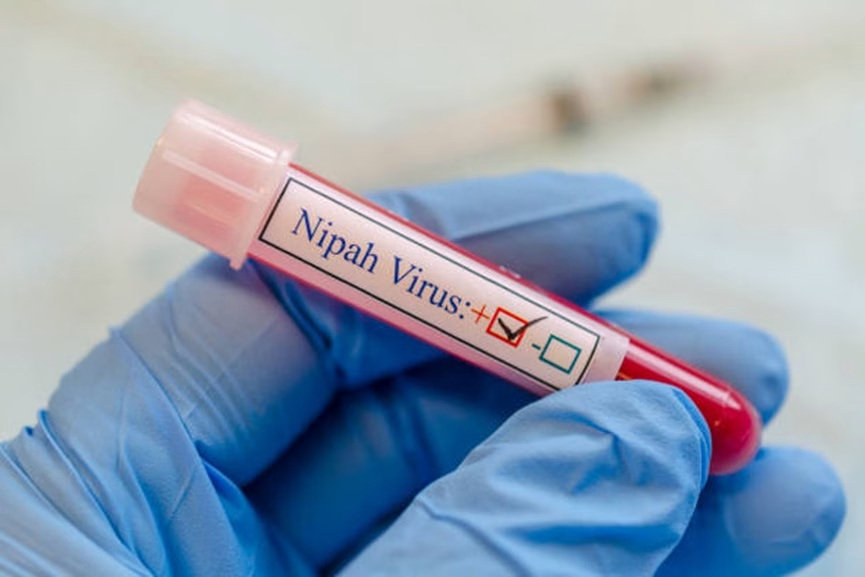
India: Airports across several Asian countries have stepped up health screening after India confirmed two cases of the deadly Nipah virus in the eastern state of West Bengal over the past month.
Thailand, Singapore, Hong Kong, Pakistan, Malaysia, Indonesia, and Vietnam are among the countries now monitoring arriving passengers more closely, particularly those travelling from India. Authorities are acting out of caution due to the virus’s high fatality rate and its ability to spread from animals to humans and, in some cases, between people.
India’s health ministry said the two infections were detected in West Bengal in December but stressed that the situation was brought under control quickly. Nearly 200 people who came into close contact with the patients were tested, with no additional cases found so far. Officials said surveillance remains in place and there is no evidence of a broader outbreak.
What makes Nipah so dangerous
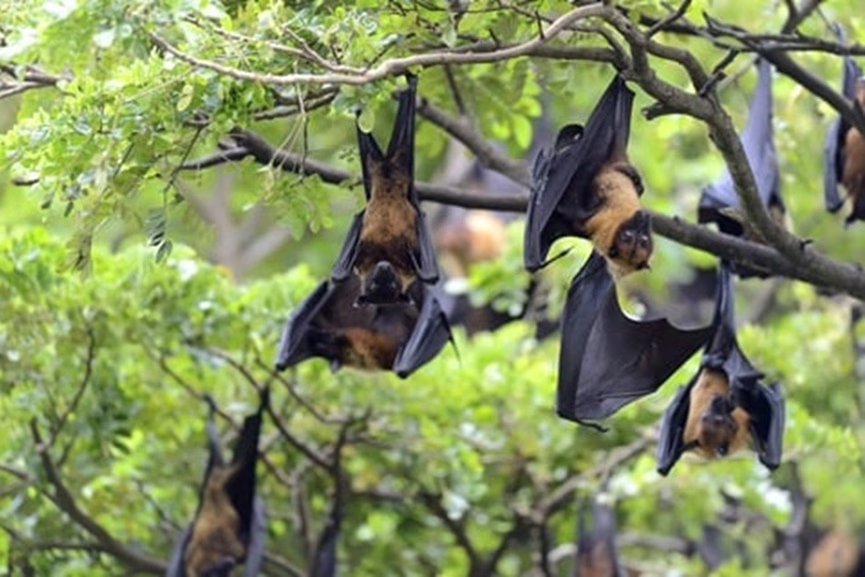
Nipah virus is a rare but highly lethal disease that is mainly transmitted to humans from animals, particularly fruit bats and pigs. Infection can occur through direct contact or exposure to contaminated food or animal secretions.
The virus typically incubates for four to 14 days. Early symptoms often include high fever, vomiting, nausea, and breathing difficulties. In severe cases, it can cause inflammation of the brain, leading to seizures, drowsiness, and, in some instances, death.
Health experts consider Nipah especially dangerous because there is no vaccine or specific treatment. Fatality rates have ranged from 40 percent to as high as 75 percent, making it significantly more deadly than many recent viral outbreaks.
History of outbreaks
Nipah was first identified in 1998 among pig farmers in Malaysia, where more than 100 people died. Since then, cases have been reported almost every year in parts of Asia, including Bangladesh, India, the Philippines, and Singapore.
The virus has repeatedly appeared in Bangladesh, often linked to the consumption of raw date palm sap contaminated by fruit bats. India recorded its first Nipah case in West Bengal in 2001. More recently, outbreaks in Kerala claimed at least 17 lives in 2018 and two more in 2023.
The current cases are the first reported in West Bengal since 2007.
Regional precautions intensify
While India has played down fears of a surge, calling such reports inaccurate, neighbouring countries are not taking chances. Thailand, Vietnam, and Indonesia have introduced additional screening measures at airports, including temperature checks and health declarations for passengers arriving from India. Myanmar has advised against nonessential travel to West Bengal, and China has strengthened disease monitoring in its border regions.
Indian authorities say the situation remains under constant watch and that all necessary public health measures are in place. For now, officials insist the risk of a wider outbreak remains low, but the heightened alert across Asia reflects memories of past epidemics and the deadly reputation of the Nipah virus.