
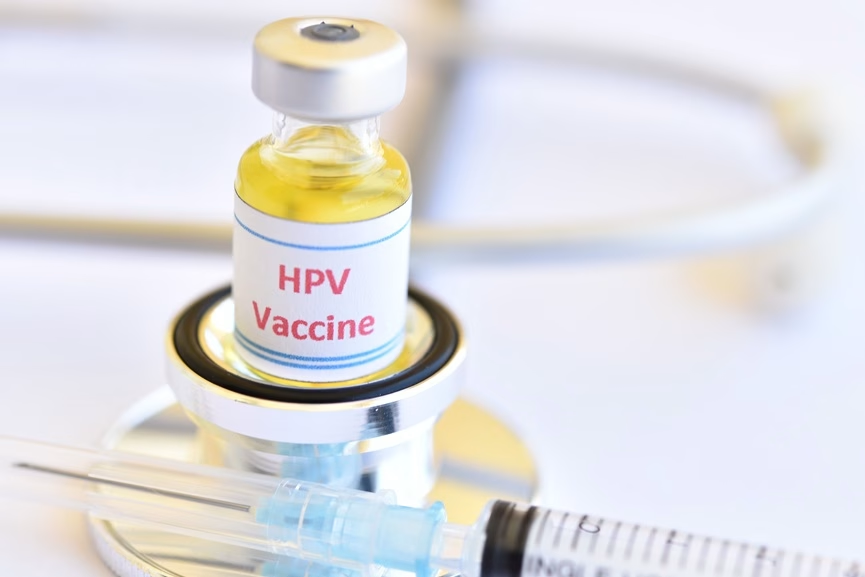
New Delhi: The Government of India is preparing to roll out a nationwide Human Papillomavirus (HPV) vaccination program. The initiative aims to protect adolescent girls from cervical cancer, one of the most common yet preventable cancers affecting women in the country.
The program reflects a firm commitment to translating policy into tangible health outcomes and strengthening the vision of ‘Swastha Nari,’ focusing on prevention, protection, and equitable healthcare for women.
Cervical Cancer: A Preventable Threat
Cervical cancer remains the second most common cancer among Indian women, with nearly 80,000 new cases and over 42,000 deaths each year. Medical studies show that persistent infection with high-risk HPV types, particularly 16 and 18, is responsible for over 80 percent of these cases.
A government spokesperson said that, “Though largely preventable through vaccination and early screening, cervical cancer continues to take a heavy toll on families. The new HPV vaccination program directly addresses this challenge by preventing infection before it can develop into cancer.”
Safe, Proven, and Effective Vaccine
India will use the Gardasil vaccine, a quadrivalent HPV vaccine protecting against types 16 and 18, which cause cervical cancer, as well as types 6 and 11. The vaccine has been administered globally to over 500 million people since 2006 and is known for its excellent safety record.
Scientific evidence confirms that even a single dose provides strong and lasting protection when given to girls at the recommended age.
With this rollout, India will join more than 160 countries that have included HPV vaccination in their national immunization programs. Globally, countries implementing widespread HPV vaccination have seen substantial reductions in infection rates, precancerous conditions, and cervical cancer cases.
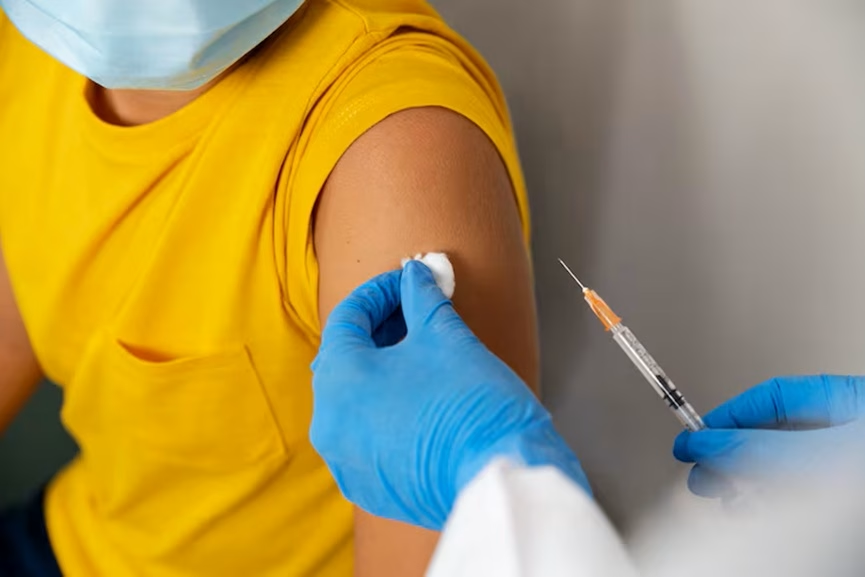
The program will focus on girls aged 14, ensuring protection well before potential exposure to HPV. Vaccination will be voluntary, free of cost, and available across all socio-economic groups.
Vaccinations will be administered at designated government health facilities, including Primary Health Centers, Community Health Centers, District Hospitals, and Government Medical Colleges. Each session will be overseen by trained medical staff, with immediate access to emergency care if needed.
The government has secured vaccine supplies through a transparent procurement system in partnership with Gavi, the Vaccine Alliance, ensuring quality and uninterrupted availability nationwide.
A Call to Parents
Authorities urge parents and guardians to ensure that their 14-year-old daughters receive the HPV vaccine once the program begins.
“Vaccination is a powerful preventive step that can save lives. By acting now, parents can help secure a healthier, cancer-free future for their daughters,” the spokesperson added.