

Every holiday season comes with a familiar script. Heavier meals, longer nights, louder music, and the unspoken expectation to indulge a little more than usual. What rarely makes the festive checklist is the possibility that the heart itself may struggle to keep up.
Doctors call it Holiday Heart Syndrome, a condition seen more often during Christmas and New Year when celebrations peak. It describes a sudden disturbance in heart rhythm, often triggered by overeating, excessive drinking, stress, or lack of sleep. For many people, it arrives without warning, turning what should be a relaxed break into an anxious rush for medical care.
Too Much of Everything
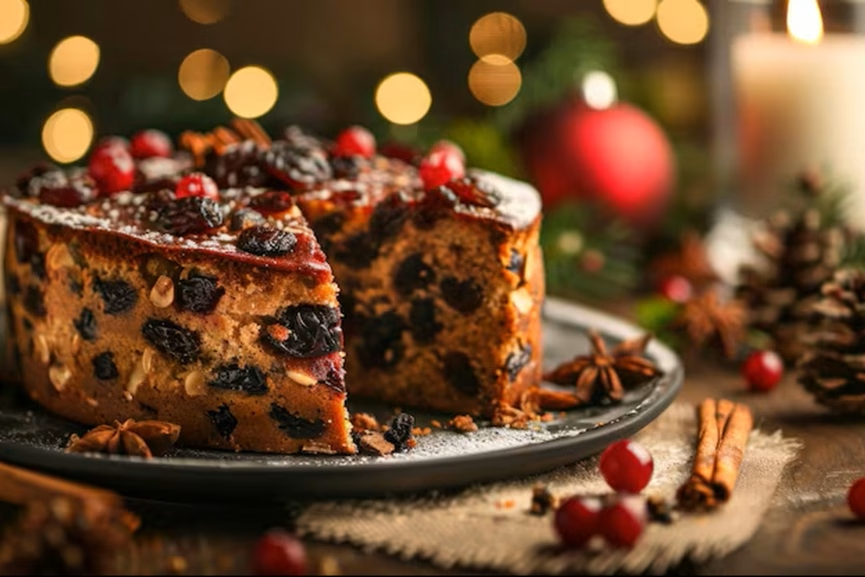
Festive food tends to be rich, salty, and served in generous portions. This combination pushes up blood pressure and heart rate, placing extra strain on the cardiovascular system. Add late nights and disrupted routines, and the heart is forced to work harder at a time when the body is already under stress.
Alcohol plays a precarious role. Even small amounts can interfere with the heart’s electrical signals, while heavier drinking raises blood pressure and blood sugar levels. During the holidays, drinking often becomes frequent and socially expected, whether at office gatherings, family dinners, or casual get-togethers. What feels like harmless cheer can, in some cases, trigger irregular heartbeats such as atrial fibrillation.
Binge drinking remains the strongest link to Holiday Heart Syndrome. Long evenings blur into each other, and social pressure makes it harder to stop at one glass. As alcohol builds up in the system, the heart may begin to beat too fast, too slowly, or out of rhythm. For people who already have heart conditions, the risk is higher. But doctors warn that even those with no history of heart disease are not immune.

Stress Is Part of the Package
Despite its cheerful image, the holiday season can be emotionally draining. Travel pressures, family expectations, and financial concerns add to the strain. Stress alone can affect heart rhythm, and when combined with dehydration, alcohol, and heavy meals, the impact is amplified.
Cold winter weather adds another challenge. Low temperatures cause blood vessels to constrict, raising blood pressure and reducing blood flow to the heart, which helps explain the seasonal rise in cardiac emergencies.
Warning Signs Not to Ignore
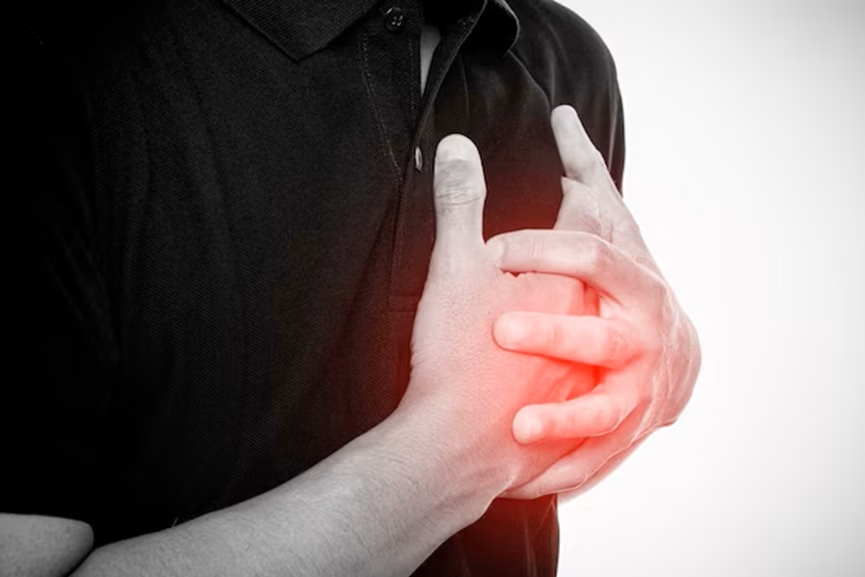
Symptoms of Holiday Heart Syndrome vary. Some people feel fluttering or pounding in the chest that fades within hours. Others experience chest pain, breathlessness, light-headedness, or unusual fatigue that requires medical attention.
Dismissing these signs as simple indigestion or anxiety can be dangerous. A doctor should always check persistent or severe symptoms.

Celebrate, But Protect Your Heart
The condition is largely preventable. Eating in moderation, limiting alcohol, staying hydrated, getting enough rest, and dressing warmly during cold spells can significantly lower the risk. Paying attention to the body’s signals is just as important.
Enjoying the holidays does not mean pushing the heart to its limits. A balanced approach ensures the season ends with good health intact and no lasting regrets once the celebrations are over.