

Iceland: Iceland experienced unusually warm weather on Christmas Eve, with temperatures rising to nearly 20 °C in parts of the country, according to the national meteorological office.
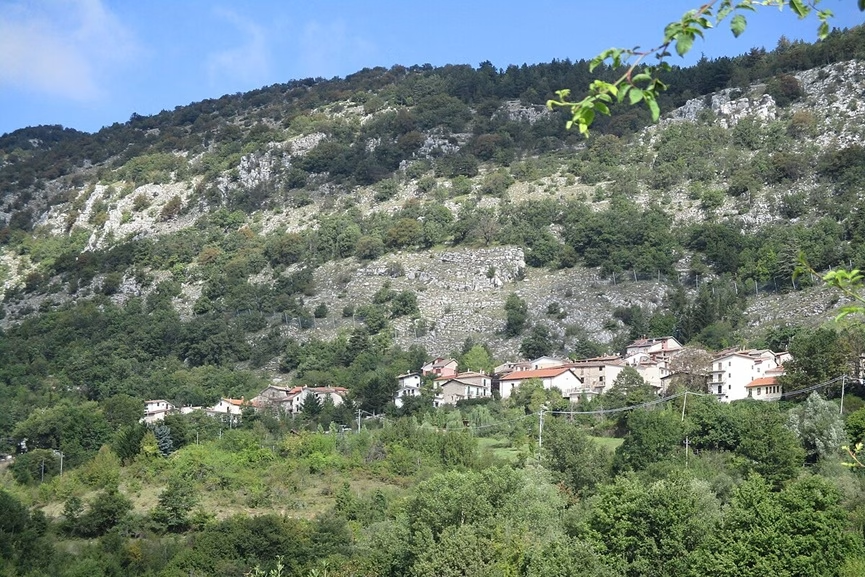
The highest reading was recorded in Seyðisfjörður, a small town in eastern Iceland, where the temperature reached 19.8 °C on December 24. In a country where average December temperatures typically range between minus 1 °C and 4 °C, the reading marked a striking departure from seasonal norms.
The warmth was widespread. A temperature of 19.7 °C was also recorded in Bakkagerði in eastern Borgarfjörður, close to the previous national December record. That record had stood since December 2, 2019, when 19.7 °C was measured in Kvískerjar in south-east Iceland.
Meteorologists said the record-breaking temperatures were driven by an unusual weather pattern that brought warm air of tropical origin over the country. A strong high-pressure system drew in moist, warm air from the south while blocking colder air masses that would normally dominate at this time of year. The latest heat record comes amid broader signs that Iceland is warming as a result of global climate change linked to greenhouse gas emissions from fossil fuels.
Earlier this year, Iceland experienced exceptional heatwaves in May, with temperatures running 3 °C to 4 °C above average in many areas. Records were broken at nearly all long-running automatic weather stations across the country. The highest temperature recorded was 26.6 °C at Egilsstaðir airport in eastern Iceland on May 15.
The warming trend has already begun to reshape Iceland’s environment. Mosquitoes were detected in the country for the first time this year, a development scientists have linked to rising temperatures. Until recently, Iceland had been one of only two places on Earth without a mosquito population, the other being Antarctica.
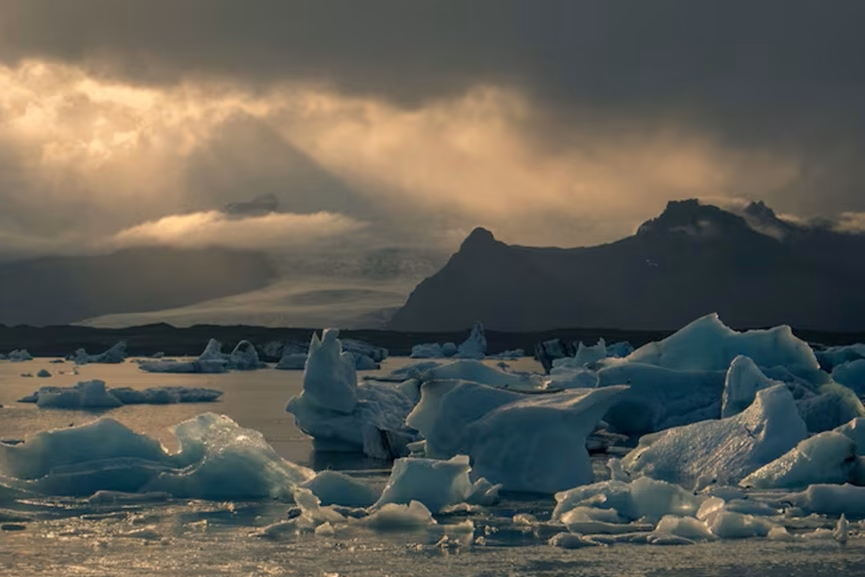
Studies show the Arctic region is warming about four times faster than the global average, and Iceland is increasingly feeling the effects. Glaciers have shown signs of collapse, while fish species usually found in warmer southern waters, such as mackerel, are now appearing more frequently in Icelandic seas. The record Christmas Eve temperatures add to growing evidence of how rapidly climate patterns are shifting in the North Atlantic region.