
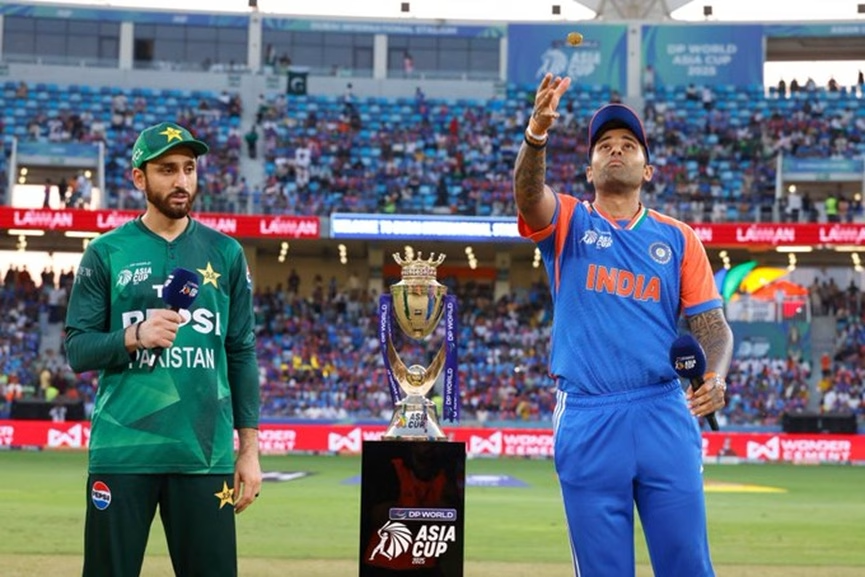
Colombo, Sri Lanka: Nearly three decades after India and Pakistan once united on the cricket field in a rare show of solidarity, the two rivals are again at the heart of a dramatic chapter in South Asian sport, this time with Sri Lanka’s fortunes hanging in the balance.
In 1996, ahead of the Cricket World Cup, players from India and Pakistan combined to play an exhibition match in Colombo to back Sri Lanka when security fears threatened to isolate the island nation. That gesture remains one of cricket’s most unusual moments of cooperation between neighbors, better known for political tension than partnership.
Today, the spotlight has returned to Colombo as the two sides prepare to meet in the ongoing T20 World Cup. For days, uncertainty loomed after Pakistan’s government instructed its team not to play India, briefly throwing the tournament into turmoil. The fixture, scheduled at the iconic R Premadasa International Cricket Stadium, appeared in doubt.
A week of intense diplomatic engagement followed. The impasse ended with a late reversal from Islamabad, clearing the way for the high-profile match to proceed as planned on Sunday.
Prep mode 🔛
📸 𝙎𝙣𝙖𝙥𝙨𝙝𝙤𝙩𝙨 from #TeamIndia‘s training session in Colombo! 💪#MenInBlue | #T20WorldCup pic.twitter.com/ia1ehyvMFS
— BCCI (@BCCI) February 14, 2026
Economic Stakes Run High
For Sri Lanka, still rebuilding after its 2022 financial crisis, the match carries weight far beyond the boundary ropes. An India-Pakistan contest is among the most-watched events in world cricket, often driving travel, advertising, and broadcasting revenues to extraordinary levels.
Hotels across Colombo had filled up well in advance, largely through Indian travel operators. When the boycott threat surfaced, cancellations poured in. Once the decision was overturned, demand surged again, with premium hotel rates rising sharply.
Local businesses, from roadside vendors to fine-dining restaurants, are preparing for a weekend windfall. Event-related jobs in media, transport, private security, and hospitality have also seen a short-term boost.
Organizers say ticket sales have crossed 28,000, with expectations of a full house of 40,000 spectators. Streets around Maligawatte, the suburb that surrounds the stadium, are already buzzing.
India and Pakistan gear up for the big one tomorrow in Colombo 😍#T20WorldCup broadcast details 👉 https://t.co/NPykWM7qqY pic.twitter.com/TkPgtUjm5f
— ICC (@ICC) February 14, 2026
Beyond the Game
In South Asia, cricket rarely stands apart from politics. Pakistan’s initial stance was widely seen as a political signal linked to broader regional tensions. Sri Lanka’s leadership moved quickly, engaging counterparts in Islamabad to underline the wider consequences of a cancellation.
Sri Lanka has long maintained close ties with Pakistan, including in cricket. Colombo was among the first venues to send a team to Pakistan after international sides avoided touring there for years following the 2009 attack on the Sri Lankan squad in Lahore.
Officials at Sri Lanka Cricket confirmed they urged their counterparts in Pakistan to reconsider the boycott, citing the economic and diplomatic implications.
Now, with the crisis defused, attention has shifted back to the sport itself. Broadcasters are preparing for record viewership. Fans from both nations are traveling in large numbers. For many Sri Lankans, hosting the match successfully would signal resilience and reinforce the country’s standing as a reliable venue for global tournaments.
On Sunday, as thousands stream into the Premadasa Stadium and many more gather around television screens, the contest will once again remind the region that when India meets Pakistan on the cricket field, the reverberations extend far beyond the game.