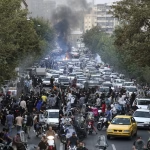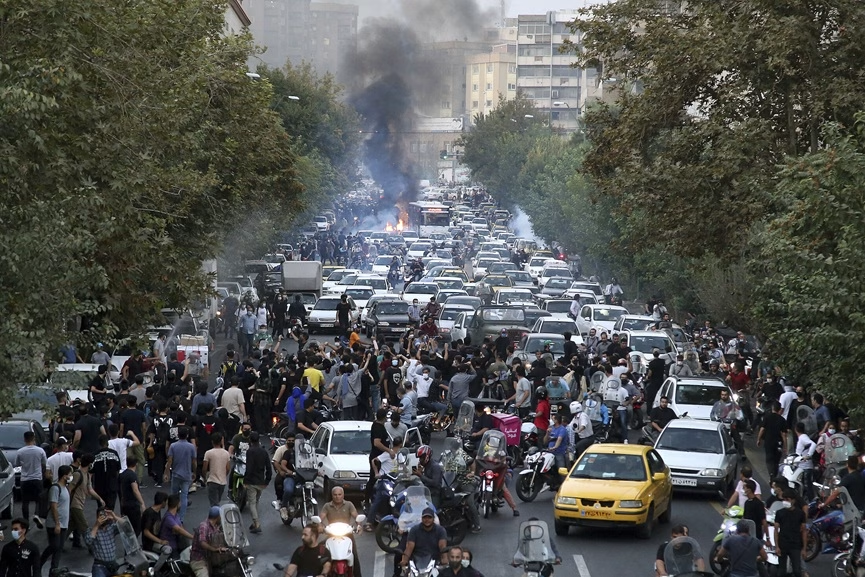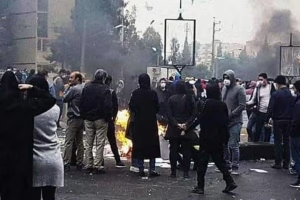


Iran: Iran reported a nationwide internet blackout on Thursday as protests over subsidy reforms and rising prices spread across the country. Internet monitoring group NetBlocks said connectivity dropped sharply across the country, though officials offered no immediate explanation and details about the scale or duration of the outage remained unclear.
The blackout came as protests continued to spread following the government’s decision to overhaul subsidies, a move that has fuelled anger among Iranians already grappling with soaring inflation, a collapsing currency and years of economic strain linked to sanctions and mismanagement.
⚠️ Update: #Iran has now been offline for 12 hours with national connectivity flatlining at ~1% of ordinary levels, after authorities imposed a national internet blackout in an attempt to suppress sweeping protests while covering up reports of regime brutality 📉 pic.twitter.com/furKo81BA3
— NetBlocks (@netblocks) January 9, 2026
The demonstrations began last month in Tehran’s Grand Bazaar, where shopkeepers protested the sharp fall of the rial. Since then, unrest has widened to cities and towns across the country, with growing frustration over living costs and long-standing restrictions on political and social freedoms.
Reza Pahlavi, the exiled son of Iran’s last monarch, urged people to take to the streets in a video message posted online a day earlier. Unverified social media posts claimed demonstrators chanted slogans in support of Pahlavi in several locations, though Reuters was unable to independently confirm the reports.
President Masoud Pezeshkian sought to reassure the public, warning suppliers against hoarding and price manipulation. State media quoted him as saying people should not face shortages of basic goods, while urging authorities to ensure steady supplies and tighter price monitoring nationwide.

The subsidy reforms aim to shift benefits away from importers by scrapping preferential exchange rates that allowed them to access foreign currency at below-market prices. Under the new system, ordinary Iranians are expected to receive around seven dollars a month to buy basic items at selected grocery stores. However, the announcement has already been followed by sharp price rises in essentials such as cooking oil and eggs, deepening public anger.
Iran remains under intense international pressure, with US President Donald Trump warning that Washington would support protesters if security forces use force against them. The warning comes months after Iranian nuclear sites were struck by Israeli and US forces, further heightening tensions at a time of growing domestic unrest.