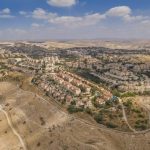

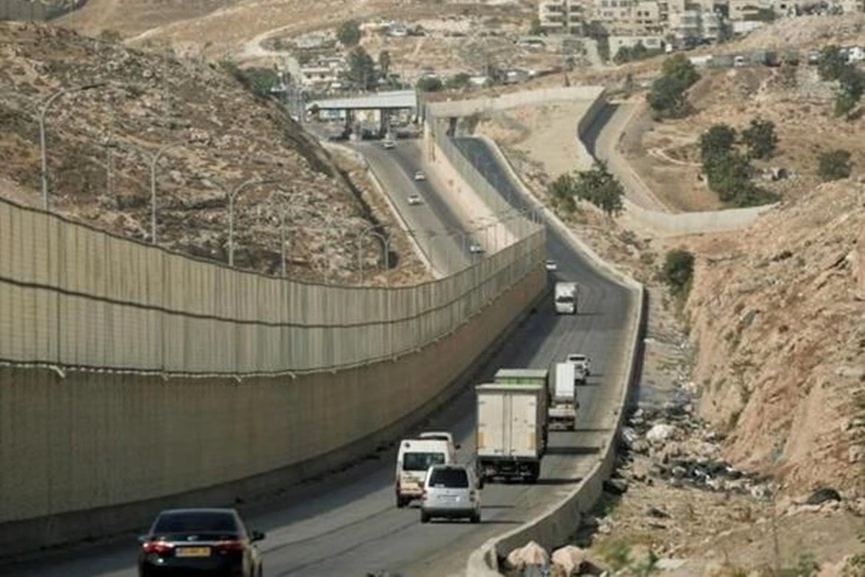
Jerusalem: Israel has approved plans for 19 new Jewish settlements in the occupied West Bank, pushing ahead with expansion that further weakens the possibility of a Palestinian state.
The decision, cleared by the security cabinet, reflects the ideological direction of the current government and deepens one of the most contentious issues in the decades-long conflict.
With this latest move, the total number of new settlements approved in recent years has reached 69, the highest figure on record. According to the monitoring group Peace Now, the overall number of settlements in the West Bank has increased from 141 in 2022 to 210 today, representing a nearly 50 percent rise during the current government’s tenure. All settlements in the occupied territory are considered illegal under international law.
Among the newly approved sites are Kadim and Ganim, settlements that were dismantled in 2005 during Israel’s disengagement from Gaza. Efforts to re-establish them intensified after the government repealed legislation last year that had barred Israelis from returning to those areas.
The finance ministry confirmed that the cabinet decision also retroactively legalised several previously unauthorised outposts and approved construction on land from which Palestinians had been evacuated.
The approvals come at a sensitive diplomatic moment, as the United States presses Israel and Hamas to advance talks linked to the second phase of the Gaza ceasefire that began on October 10. The US-backed framework includes a potential pathway toward Palestinian statehood, a goal widely seen as incompatible with continued settlement expansion.
Israel has occupied the West Bank, East Jerusalem, and Gaza since the 1967 war. More than 500,000 Jewish settlers now live in the West Bank, alongside over 200,000 in East Jerusalem. The current government includes prominent far-right figures closely aligned with the settler movement, including Finance Minister Bezalel Smotrich and National Security Minister Itamar Ben-Gvir.
Settlement growth has coincided with a surge in violence across the West Bank. During October’s olive harvest, settlers carried out an average of eight attacks a day, the highest rate recorded since the United Nations began tracking such incidents in 2006.
The violence continued into November, with at least 136 additional attacks recorded by November 24. These incidents included arson, vandalism of mosques, destruction of farmland, and attacks on Palestinian property, often met with little more than formal condemnation from Israeli authorities.
Tensions increased further over the weekend when two Palestinians were killed during clashes with Israeli forces in the northern West Bank. The Palestinian health ministry said one of the dead was 16-year-old Rayan Abu Muallah, killed in Qabatiya. Israeli forces said he was shot after throwing a block at troops, though Palestinian media footage appeared to show him approaching soldiers unarmed. The army said the incident is under review. The second victim, Ahmad Ziyoud, 22, was killed during a separate operation after allegedly throwing explosives.
Israeli military activity in the West Bank has intensified since the Hamas-led attack on October 7, 2023, which sparked the ongoing war in Gaza, adding further strain to an already volatile region.