

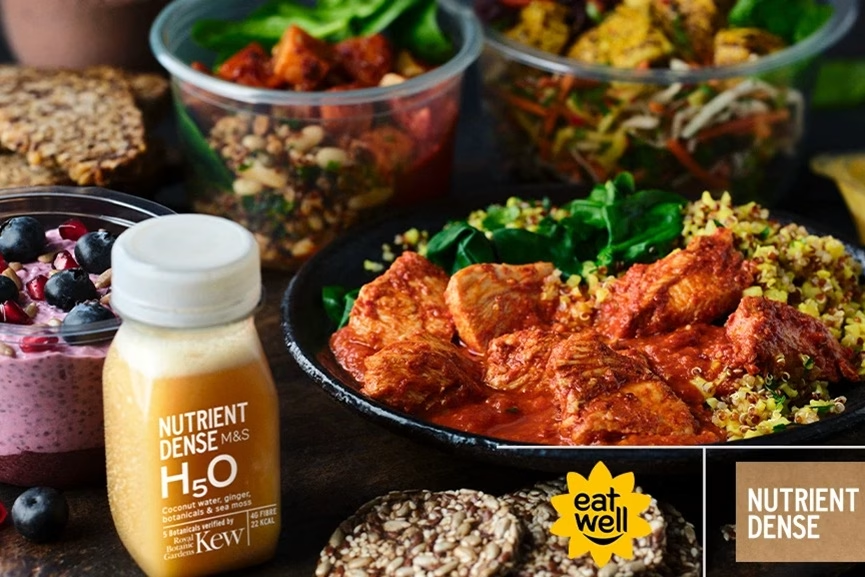
London: Marks & Spencer is launching a new range of nutrient-dense food aimed at customers using weight-loss injections, as the retailer adapts to changing eating habits driven by the growing use of appetite-suppressing drugs.
The range, which goes on sale on January 5, includes salads, breads, yoghurt bowls, and chicken-based meals. M&S says the products are carefully portioned to deliver high levels of nutrients while keeping calorie counts low, appealing to shoppers who are eating less but still want balanced meals.
Across the UK, increasing numbers of people are turning to weight-loss injections such as Wegovy, Zepbound, and Saxenda. These drugs suppress appetite, helping users reduce calorie intake, but they are also forcing food retailers to rethink how they maintain sales as customers consume smaller portions.
M&S said the new range is designed for people reducing their food intake, including those using GLP-1 medications. The retailer said it had focused on creating meals that offer more nutritional value per bite, ensuring customers receive essential nutrients even as they eat less.
The move follows similar steps by rival supermarket Morrisons, which recently announced a partnership with health and wellness brand Applied Nutrition to develop a range of meals tailored to GLP-1 users. From early January, Morrisons will stock 53 high-protein products, including ready meals, sandwiches, breads, and cheeses, across about 400 stores.
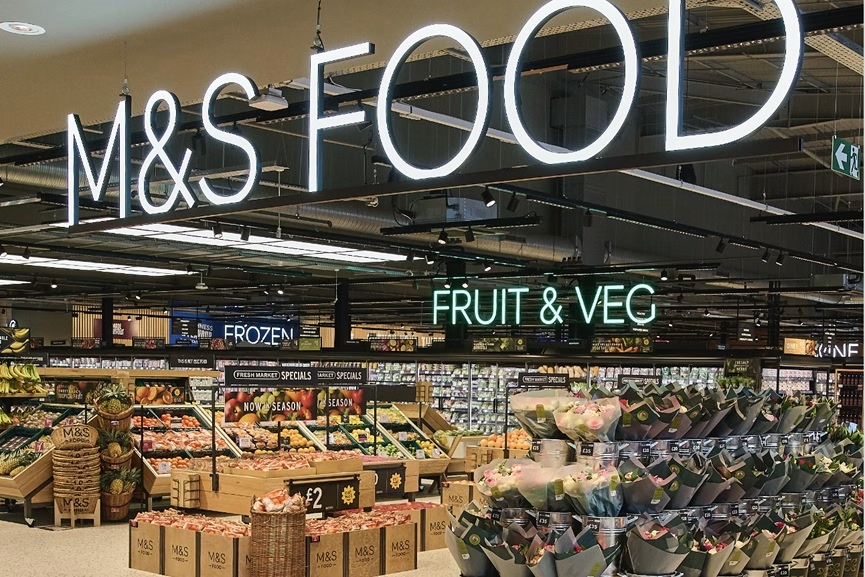
Pressure on retailers to stay relevant could intensify if pharmaceutical companies succeed in bringing weight-loss pills to market. Drugmakers are racing to develop oral alternatives to injections, which would be easier to distribute and use, and potentially far cheaper.
While GLP-1 weight-loss jabs have surged in popularity, their high cost has limited access for many users. At the same time, concerns remain about possible side effects, including pancreas-related complications, prompting health authorities to begin further research into the long-term safety of the drugs.
Despite those concerns, the financial impact has been significant for pharmaceutical firms. Eli Lilly, which produces tirzepatide sold as Mounjaro for diabetes and Zepbound for obesity, recently became the first drugmaker to reach a market valuation of $1 trillion in the United States.
As eating habits shift and medical weight-loss becomes more mainstream, food retailers are increasingly reshaping their product lines to cater to a customer base that is eating less but expecting more from every mouthful.