
Australia: Asylum seekers sent to Nauru by Australia say they are struggling to afford food and basic supplies, unable to work legally, and reliant on a small allowance that many describe as impossible to survive on.
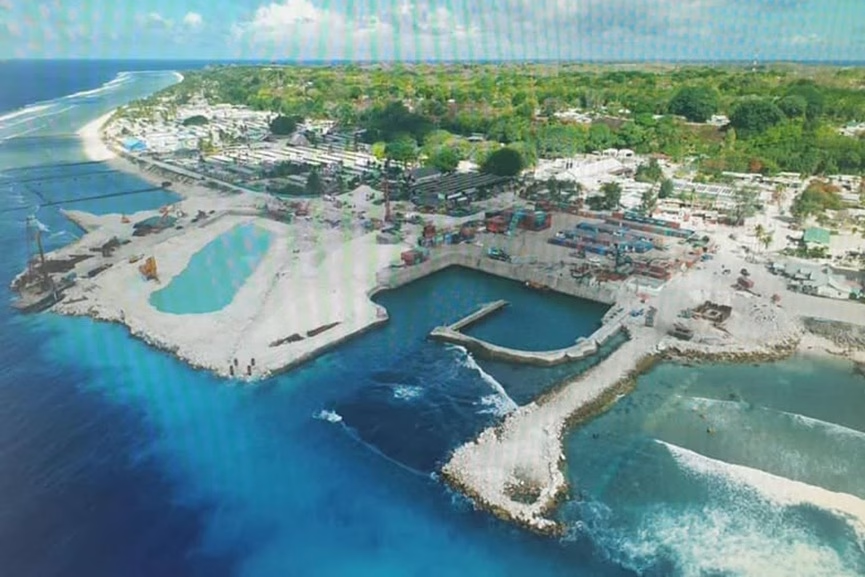
More than 160 people have been transferred to the Pacific island since offshore processing resumed in 2023. While awaiting a decision on their claims, they receive a 230-dollar fortnightly stipend for food and essentials. But they are barred from working under Nauruan law, a rule reinforced in a public notice issued in late November by the justice secretary, Jay Udit.
The notice warns that any foreigner working without a visa can be prosecuted or deported, and that asylum seekers caught working could have their support payments reduced or cancelled. It also instructs local businesses not to employ them. Australian officials confirmed the ban in Senate hearings this week.
The rule applies until a person is granted refugee status. Since 2023, only eight people have received that recognition. Although the Australia–Nauru agreement sets a 60-day target for decisions, some asylum seekers have been waiting more than four months with no outcome and say the delay is leaving them hungry and anxious.
Daily life on Nauru is expensive. Most food is imported, internet costs 99 dollars a month, and basic fruit and vegetables are often out of reach. A bag of grapes can cost 20 dollars, while a quarter-sliced watermelon sells for 24. Several asylum seekers told Guardian Australia they could not afford more than two meals a day, and often skipped breakfast to stretch their allowance.
This Government has handed over $20 million to Nauru as a sweetener. The lengths this Government will go to just so they can try to outflank the right on immigration. pic.twitter.com/WXvlyAlSj0
— David Shoebridge (@DavidShoebridge) December 3, 2025
One man said he had lost significant weight and could not follow medical advice to eat more fruit and vegetables because prices were too high. Others said they felt pressured to work illegally at petrol stations or construction sites simply to get by.
Several also fear they could be deported if their protection claims are rejected, including to countries where they say they face violence or persecution. One man said returning home would be fatal for him and would place his family in danger.
Advocates have condemned the situation as inhumane. Accommodation and utilities are funded by Australia under a contract worth hundreds of millions of dollars with the private operator MTC. But food, essentials, and communications have become a daily struggle for many people waiting for their claims to be decided.
Australia and Nauru both have legal obligations under the Refugee Convention, including the duty not to return people to countries where they face serious harm. The UN human rights committee has ruled that Australia still carries that responsibility even when asylum seekers are processed offshore.