
Australia: One of Australia’s largest coal export hubs is set to resume full operations on Monday, after two consecutive days of climate protests brought shipping traffic at the Port of Newcastle to a standstill.
The disruption marked one of the most visible acts of civil resistance in the country this year, underscoring the growing tensions surrounding Australia’s emissions commitments and reliance on coal exports.
Climate group Rising Tide led Sunday’s action, sending hundreds of activists paddling kayaks into the main shipping channel of Newcastle Harbour. Their presence breached a maritime exclusion zone and halted cargo movements, including alumina shipments bound for Tomago, the nation’s largest aluminium smelter.
The port, located about 170 kilometres north of Sydney, plays a central role in Australia’s export economy and is the largest bulk shipping port on the east coast. Port officials confirmed on Sunday evening that vessel operations will restart as scheduled on Monday, bringing an end to the temporary shutdown triggered by the protests.
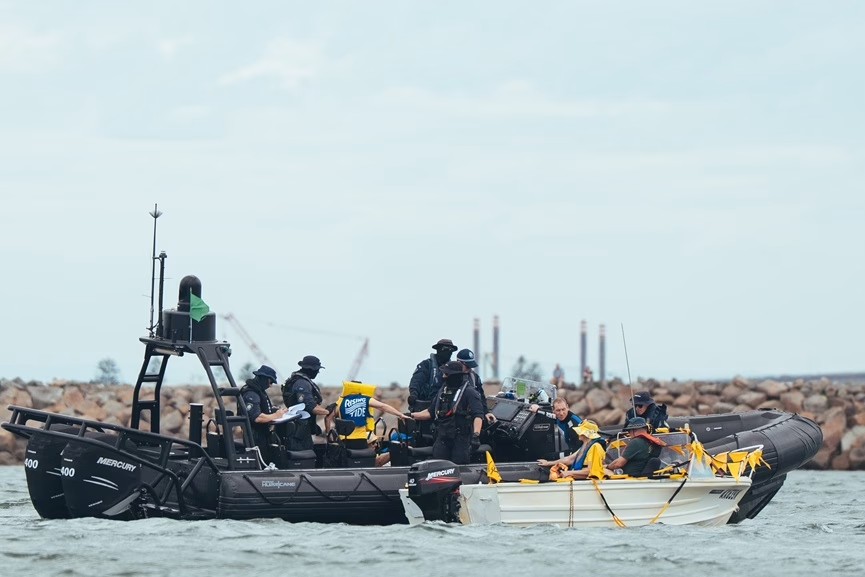
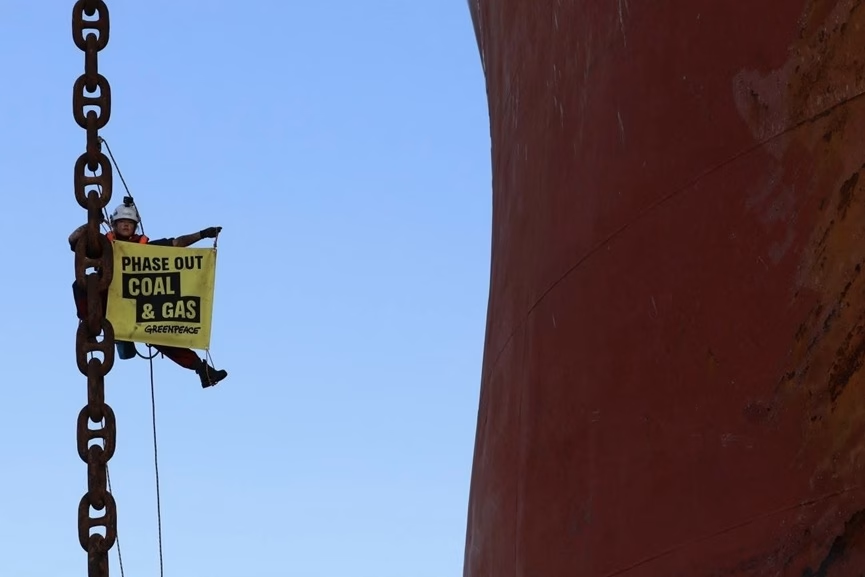
Rising Tide said more than one hundred people were detained on Sunday, though police confirmed only twenty-one arrests related to marine offences earlier in the day. Greenpeace Australia Pacific also joined the demonstration, stating that three of its members climbed onto a coal vessel near the port to halt its operations. The organisation described the action as peaceful and part of a broader weekend campaign demanding accelerated climate action.
The protest followed a similar confrontation on Saturday, when an inbound ship was forced to turn back, and police made eleven arrests. Last year, a multi-day demonstration in the same harbour led to the arrest of one hundred and seventy activists.
Coal remains one of Australia’s top export commodities, alongside iron ore. Yet the industry sits at the centre of an increasingly heated political debate, as the country works toward its goal of reaching net-zero greenhouse gas emissions by 2050. The Newcastle protests highlight the rising pressure on the government to move faster on climate policy while balancing the economic weight of its resource sectors.