
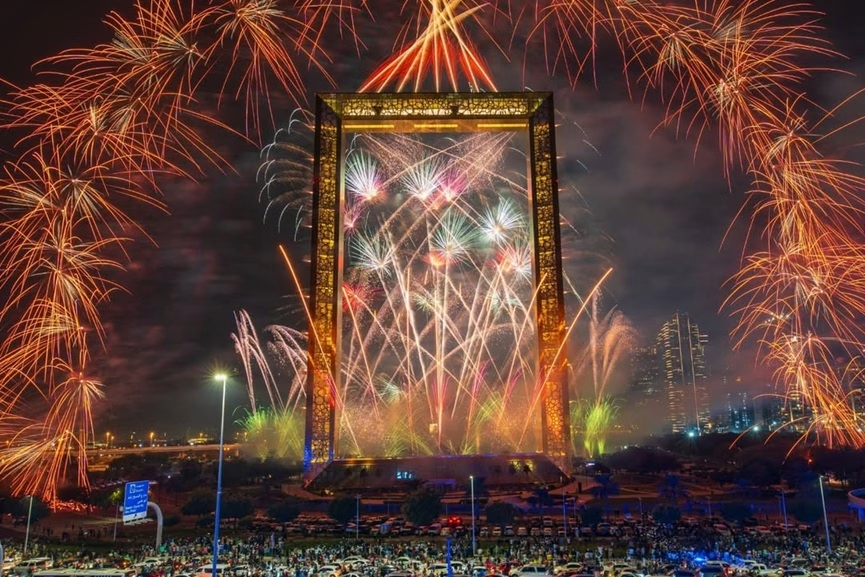
As the final seconds of 2025 ticked away, the world erupted in light, sound, and celebration. Fireworks painted the skies from Sydney to Seoul, from Rio de Janeiro to Moscow, while millions of people across continents counted down together, bridging time zones and borders.
From sacred riverbanks in India to historic walls in China, from snowy streets in Eastern Europe to tropical beaches in Brazil, 2026 arrived with a surge of hope, reflection, and the promise of fresh beginnings, as traditions, music, and spectacle intertwined in a global chorus of joy.
In India, the skies lit up as people across the country celebrated New Year’s Eve. In Varanasi, also known as Kashi, the new year began with spiritual ceremonies as devotees attended the Ganga Aarti and lit earthen lamps along the holy river, offering prayers and wishes for the year ahead.
In Beijing, revelers gathered at the Juyongguan Great Wall, waving boards with “2026” and symbols of the Year of the Horse, accompanied by traditional dance and drumming performances. Similarly, in Osaka, Japan, young women in traditional kimonos participated in a Shinto ritual procession at Sumiyoshi Taisha Shrine to mark the passage into the new year.
In Seoul, visitors prayed in front of lanterns bearing New Year wishes at the Jogyesa Temple, while the Bosingak bell pavilion tolled 33 times at midnight, a centuries-old tradition meant to dispel misfortune and welcome prosperity.
Other Asian cities lit up with modern spectacle. In Bali, Indonesia, performers enacted traditional dances to bid farewell to 2025 and welcome the sun of 2026, while in Seoul, laser lights illuminated the Lotte World Tower during a nighttime show.
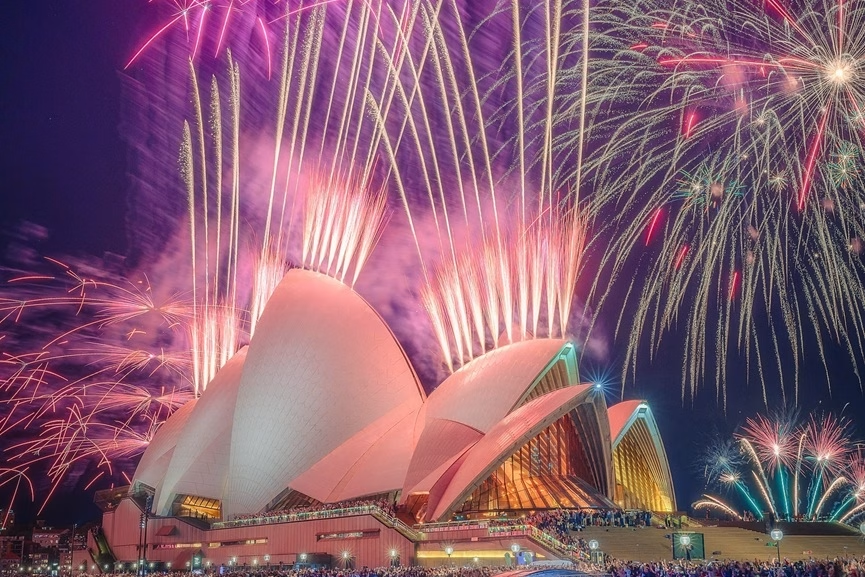
Australia and New Zealand offered grand fireworks displays. Sydney’s Harbour Bridge and Opera House were ablaze with more than 40,000 pyrotechnic effects stretching over four miles, featuring a waterfall effect from the bridge itself.
The display began with a minute’s silence for victims of a recent attack on a Jewish event, reflecting a city seeking hope after tragedy. Auckland’s sky was similarly lit as revelers counted down to midnight.
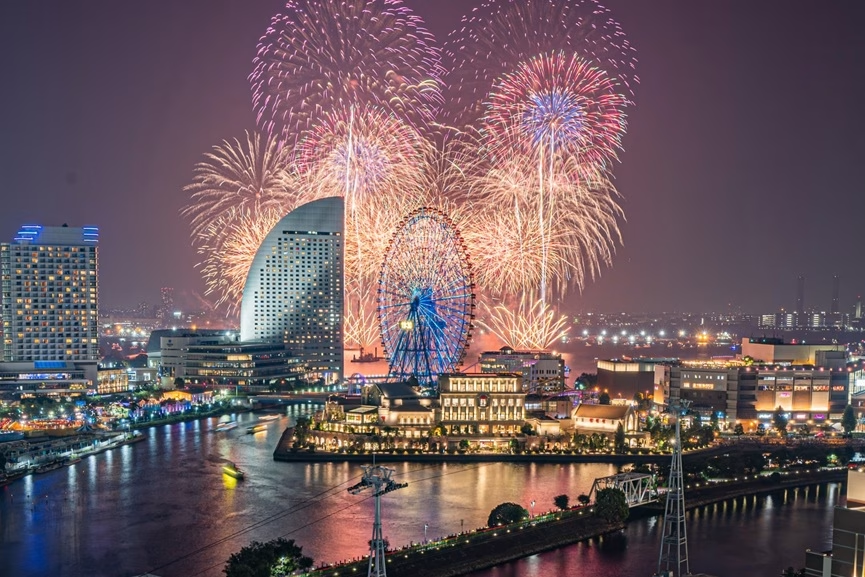
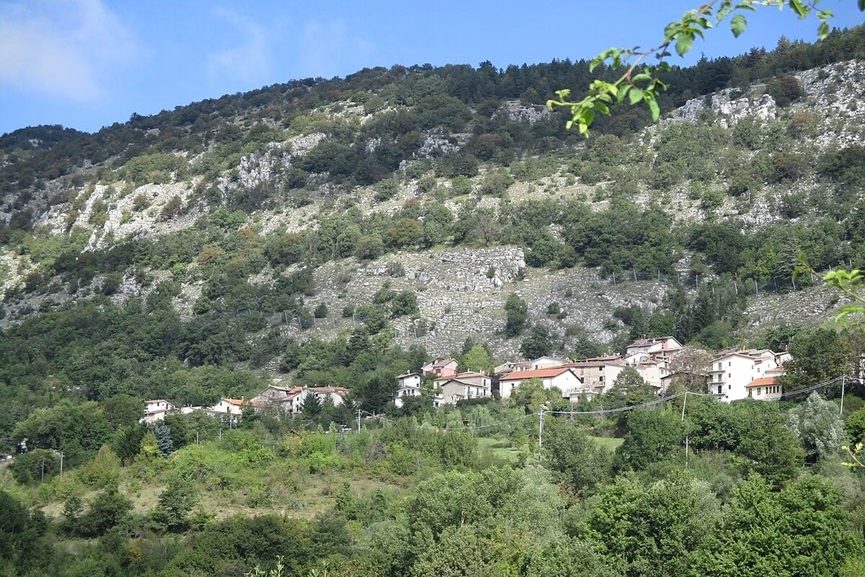
In Europe, celebrations ranged from traditional to unusual. Croatia’s town of Fuzine, which has held a noon-time countdown since 2000, saw locals dance, toast, and even take icy dips in Lake Bajer. In Hong Kong, annual fireworks were replaced by a light show after a deadly apartment blaze in November, emphasizing themes of hope and renewal.
In the Americas, preparations were underway for iconic events. New Yorkers braved subzero temperatures as the stage for the Times Square ball drop was set, while Rio de Janeiro readied its ‘Reveillon’ music and fireworks celebration, hoping to surpass its Guinness World Record for the largest New Year party.
In parts of Eastern Europe, the new year carried the weight of conflict. In snowy Moscow, residents expressed wishes for peace, while in Kyiv, children visiting the Christmas tree at Saint Sophia Cathedral hoped for an end to hostilities. For many, 2026 represented a chance to turn the page on the challenges of 2025.
Across continents and cultures, New Year’s celebrations combined joy, tradition, and reflection. Whether through religious ceremonies, dazzling light displays, or quiet moments of hope, people welcomed 2026 with a shared desire for happiness, unity, and renewal.