
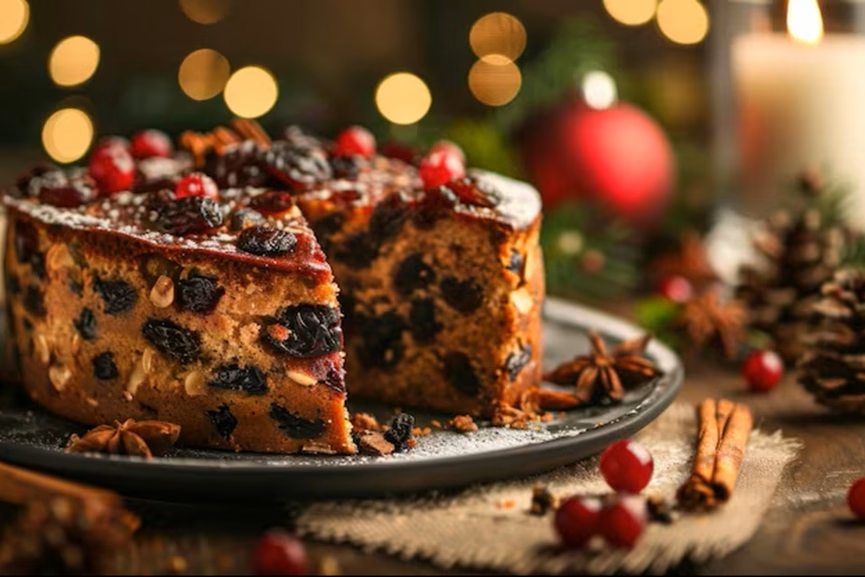
Christmas feels incomplete without the familiar aroma of plum cake drifting through the kitchen. Dense, moist, and packed with dried fruits, the cake carries hints of spice and rum, leaving behind a flavour that is both sweet and slightly bitter. For many families, it is not just a dessert but a tradition that signals the arrival of the festive season.
A Sweet Beginning in England
Though plum cake is now closely associated with Christmas celebrations around the world, its story begins in England more than three centuries ago. In the early 1700s, the cake marked the end of Advent, a period of fasting and restraint. After weeks of simple meals, families celebrated with a rich, indulgent bake filled with fruits and spices that were once considered luxuries.
The name itself tells part of the story. In the 1700s, the word plum was used to describe dried fruits such as raisins and currants. These ingredients were expensive and prized, and bakers highlighted their use by calling the cake a plum cake. Versions of the cake were being prepared in English kitchens as early as the 1660s, but its popularity grew as trade routes expanded. Fruits and spices from the Mediterranean and the Levant made their way into Europe, transforming the cake into a symbol of abundance.
A Cake That Lasts
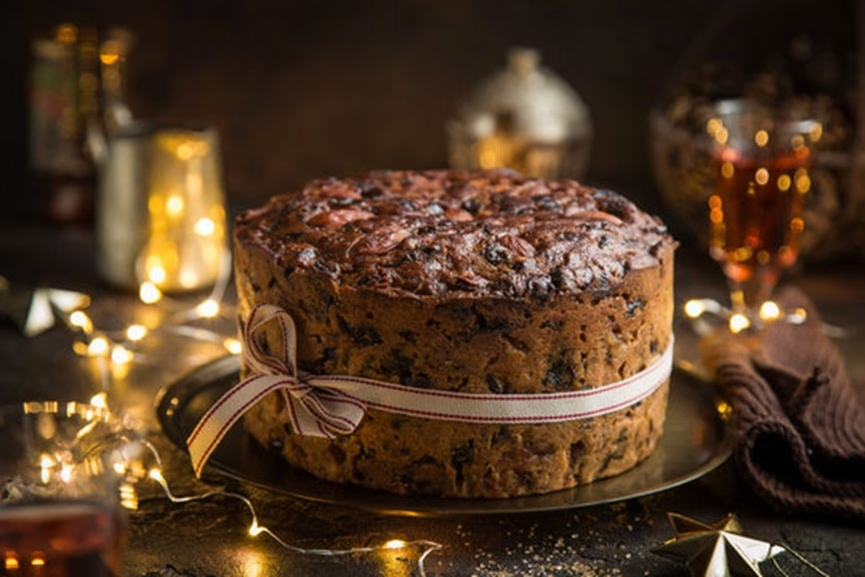
What sets plum cake apart from other festive bakes is its depth of flavour and its remarkable shelf life. The generous use of alcohol-soaked dried fruits allows the cake to be stored for weeks, even months. Over time, the flavours mature, becoming richer and more layered, with notes of spice, caramelised fruit, and rum growing stronger with each passing day.
As the cake travelled across borders, it evolved. European bakers adapted it to local tastes, adding regional spices and fruits brought home by travellers and traders. It soon became a staple on holiday tables, served alongside cookies and smaller cakes as part of elaborate Christmas spreads.
Kerala’s Unique Twist
In India, plum cake found a lasting home in Kerala, where it is now inseparable from Christmas celebrations. Introduced during the British colonial period, the Kerala plum cake reflects a unique blend of European baking traditions and local ingredients. Kerala’s long history as a centre of the global spice trade left a strong imprint on the recipe, with warm spices lending the cake its distinctive character.
A Family Tradition
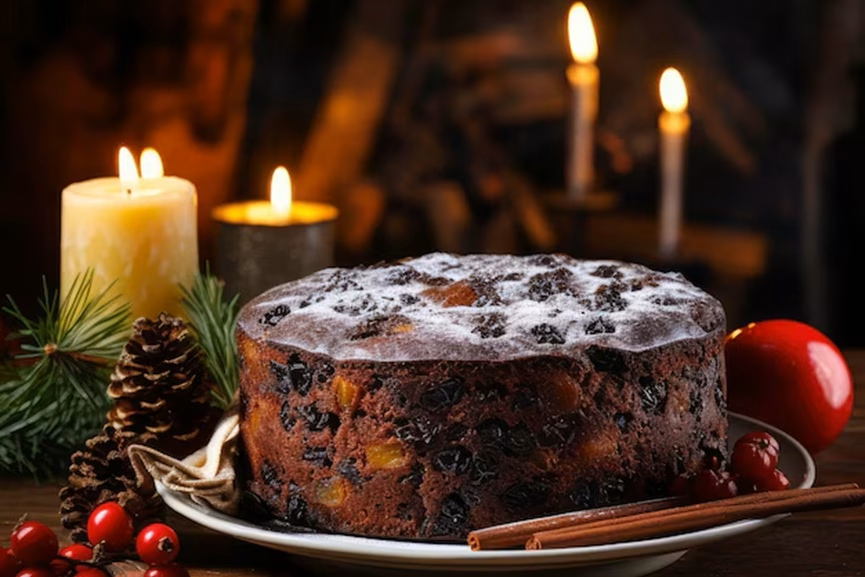
Local bakers embraced rum-preserved fruits and adapted the cake to suit regional tastes. Over time, families developed their own versions, guarding recipes and passing them down through generations. In many homes, baking the cake is a communal ritual, bringing together relatives and neighbours in the days leading up to Christmas.
Beyond its rich taste, plum cake carries echoes of history. Each slice reflects centuries of trade, migration, and shared culinary traditions. While the dried fruits offer small nutritional benefits, the cake remains a calorie-rich indulgence. Like many festive treats, it is best enjoyed in moderation.
Still, for many, Christmas would not feel the same without it. Plum cake is more than a dessert. It is a reminder of how food travels, adapts, and becomes part of the stories people tell year after year.