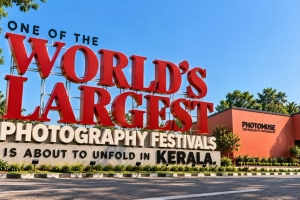

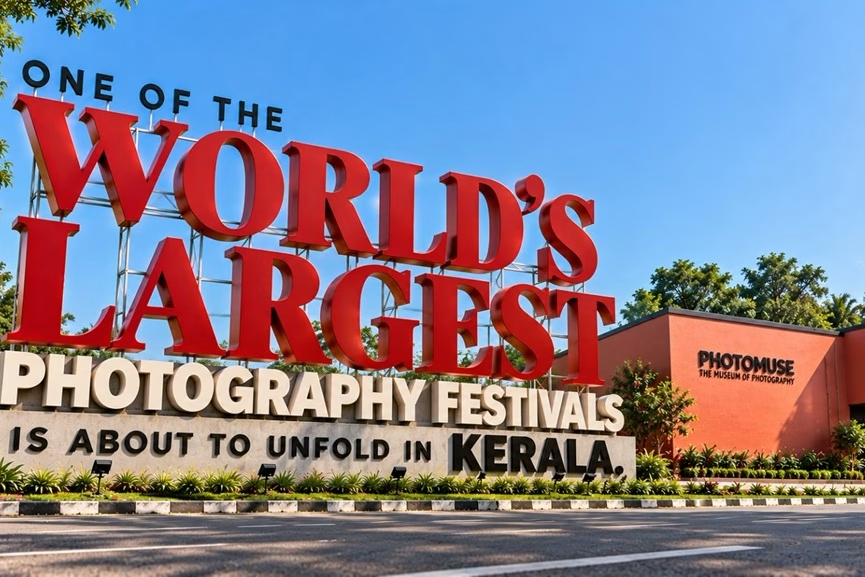
Kochi: The PhotoMuse Festival of Photography 2026 began on October 2 and will run until January 31, 2027, with exhibitions and programs across more than 25 venues in Kerala.
The 122-day festival brings together photographic works from more than 31 countries and features over 490 photo-artists, 1,530 photographs, 70 exhibitions, seven international festival collaborations, four museums, and more than 11 documentaries.
The program includes exhibitions, screenings, talks, seminars, performances, and educational initiatives involving schools and colleges.
The festival is organized as part of the commemoration of 200 years of photography and covers different aspects of the medium, including its artistic, historical, documentary, scientific and archival roles.
International participation
Photographers and photographic works from countries across different regions are being presented through exhibitions and other programs.
The festival also includes exchanges with international photography organizations. One such collaboration is with the Mexico Street Photography Festival, under which 50 selected winning photographs are being presented in Mexico and India during October 2026.
The program provides opportunities for Indian photographers, students, educators, photography groups, and members of the public to engage with international photographic work.
It also features Indian photographic histories, artists, archives, and visual material as part of the festival’s wider program.
Programs across Kerala
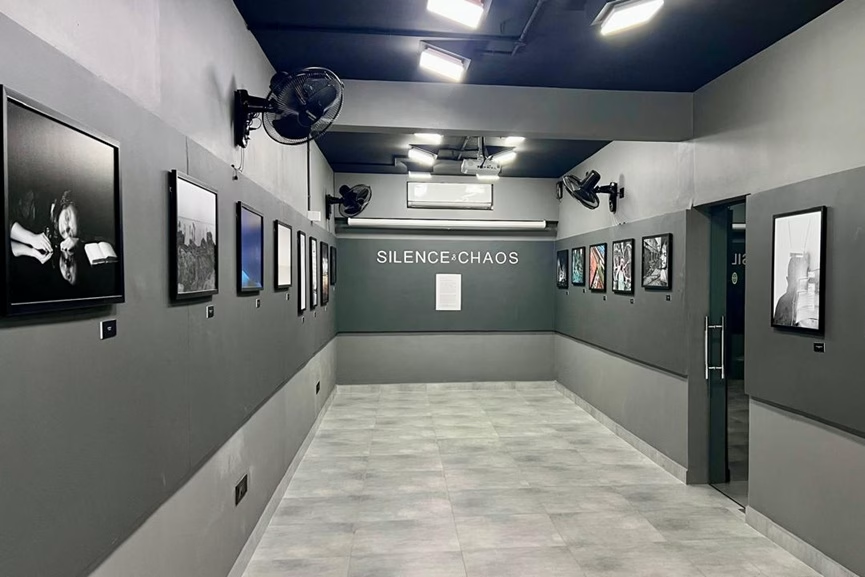
The festival is being held across museums, galleries, educational institutions, libraries, cultural organizations, and other public spaces in Kerala.
The participating museum network includes PhotoMuse – The Museum of Photography, Museo Camera in Gurugram, Kerala History Museum in Edappally, Kochi, and the Art Museum of Love in Kodakara, Kerala.
The Kerala Lalithakala Akademi and various government and non-government organizations, photography associations, clubs, educational institutions, libraries, and cultural organizations are also associated with the program.
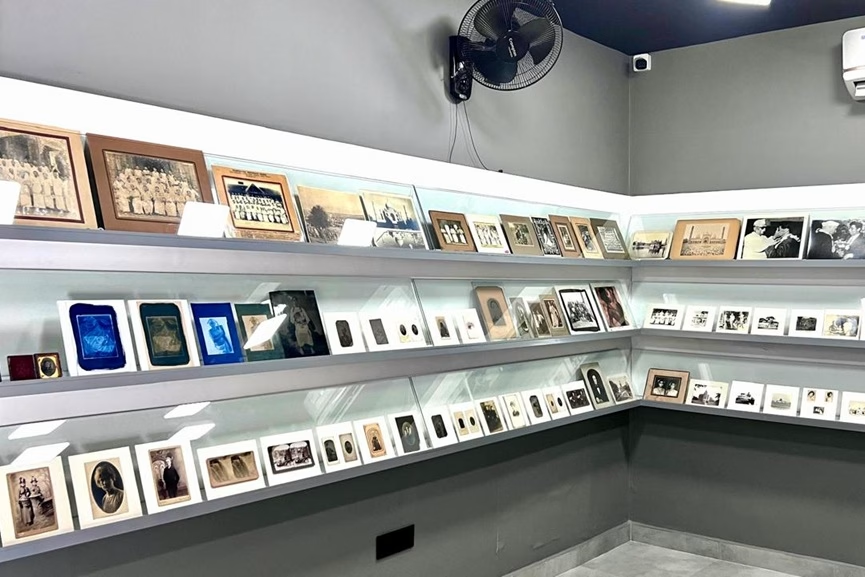
PhotoMuse – The Museum of Photography focuses on exhibitions, education, documentation, conservation, and the preservation of photographic heritage. Its collection includes 16,742 archival photographic objects.
Photography and Indian history
The festival opened on October 2, Gandhi Jayanti, and its main public program is scheduled to conclude on January 30, 2027, the anniversary of Mahatma Gandhi’s assassination.
The program includes photographs and discussions connected with photography’s role in documenting Indian history and public life.
Gandhi’s political activities, travels, meetings, and public engagements were extensively photographed, with many of those images becoming part of India’s historical and visual record.
The festival also examines photography’s role outside galleries and museums, including its use in newspapers and magazines, press archives, family collections, schools, colleges, libraries, and community settings.
Photography, science, and archives
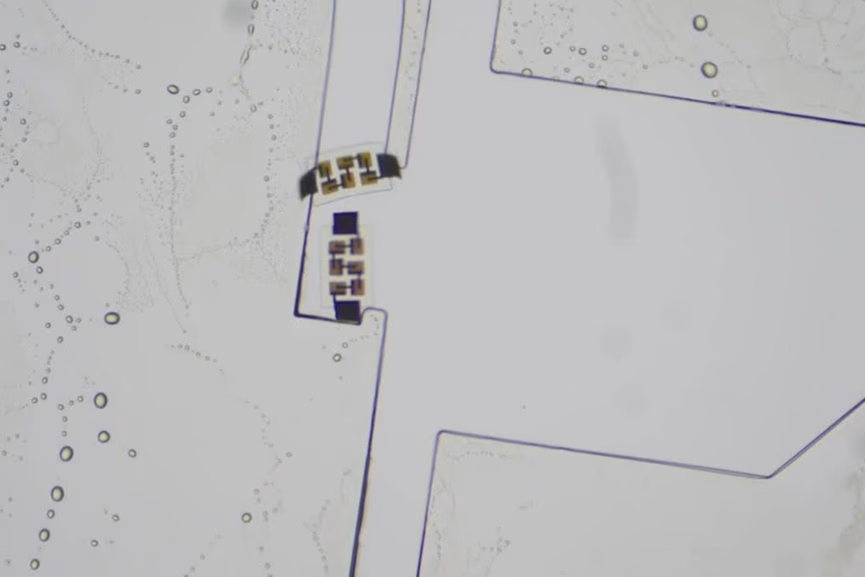
The festival’s 200-year overview also examines photography’s contribution to scientific documentation, medical imaging, astronomy, and space exploration.
Photography has been used to record subjects beyond ordinary human vision and has contributed to the documentation of scientific observations and discoveries.
The preservation of photographic material is another focus of the festival. PhotoMuse’s archival collection includes 16,742 photographic objects, highlighting the role of archives in documenting and preserving visual records for future research and public access.
Educational and public programs
More than 30 school and college programs are included in the festival, alongside talks, seminars, performances, and other public events.
The program brings together photographers, artists, curators, educators, researchers, and representatives of photography organizations from India and abroad.
PhotoMuse Festival of Photography 2026 will continue across Kerala until January 31, 2027, with exhibitions and related programs scheduled at participating venues during the 122-day period.