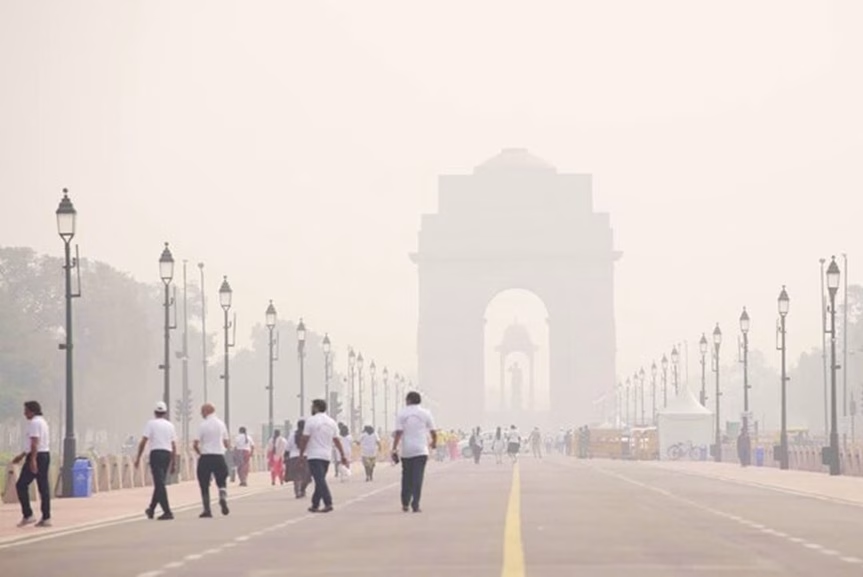

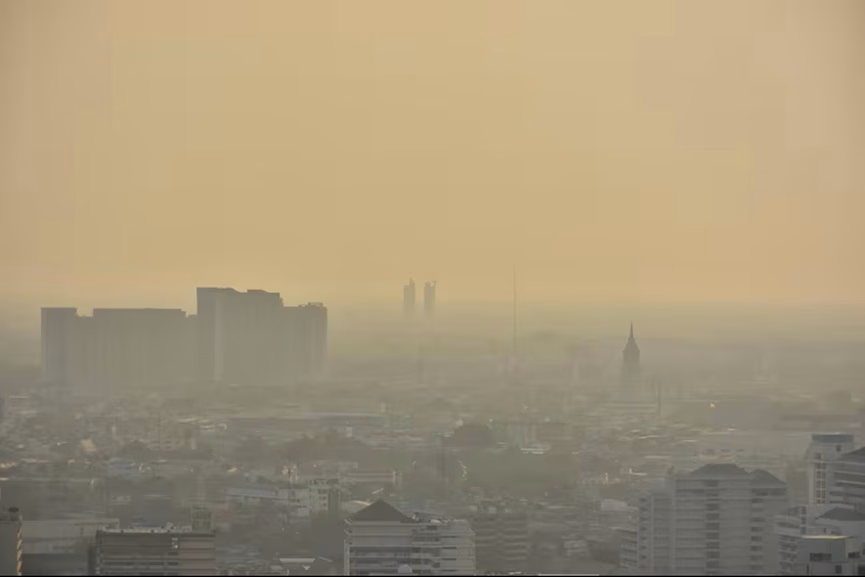
New Delhi: Air quality in India’s capital, Delhi, deteriorated on Monday following Diwali celebrations, as fireworks continued late into the night despite restrictions imposed by the Supreme Court on their use.
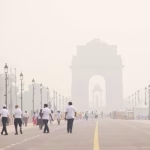
Delhi recorded an Air Quality Index (AQI) of 370 at 9 a.m. on Monday, placing it in the ‘very poor’ category, according to data from the Central Pollution Control Board (CPCB). Several areas across the city recorded AQI readings above 400, indicating ‘severe’ air pollution.
The Supreme Court had earlier this month permitted the use of only certified low-emission firecrackers during specified hours over the Diwali weekend. However, residents in Delhi and Mumbai reported that fireworks continued until late at night.
Delhi ranked as the world’s third-most polluted city on Monday morning, according to the live air quality ranking by Swiss air quality monitoring group IQAir. Pakistan’s Lahore topped the ranking with an AQI of 563, classified as ‘hazardous’.
Air pollution is a recurring problem across northern India during the winter months, when colder and heavier air traps vehicle emissions, construction dust, and smoke from agricultural waste burning. The situation is particularly severe in major urban centers such as Delhi, where high vehicle numbers and ongoing construction activity contribute to deteriorating air quality. Prolonged exposure to polluted air has also raised health concerns, with residents facing an increased risk of respiratory problems.
Delhi had recorded poor air quality for more than a week before the Diwali celebrations. Authorities introduced restrictions under the Graded Response Action Plan (GRAP) on Friday, including directing schools to shift to online classes, among other measures, to limit exposure to worsening pollution.