

Dhaka: A fast-spreading measles outbreak has claimed the lives of at least 94 children across Bangladesh in just 19 days, triggering an urgent nationwide response as health authorities race to contain the disease.
Officials say the outbreak has now reached 56 of the country’s 64 districts, with cases rising sharply since March. In the latest update, 10 children died within 24 hours ending Sunday morning, underscoring the alarming pace of the crisis.
According to the Directorate General of Health Services (DGHS), nearly 5,800 suspected cases have been recorded during this period, with close to 1,000 infections reported in a single day.
The northwestern Rajshahi region has emerged as the worst-hit area, where surveillance and contact tracing efforts have been intensified.
Vaccination Gaps Blamed for Spike
Health authorities have linked the surge to a drop in vaccination coverage over the past year. Bangladesh had previously maintained strong immunization rates, with over 96 percent of children vaccinated against measles between 2016 and 2024. However, disruptions in routine immunization campaigns appear to have left thousands of children vulnerable.
Experts warn that measles, one of the most contagious viral diseases, can spread rapidly in communities with even small gaps in vaccine coverage. In many affected areas, delayed or missed vaccinations have allowed the virus to circulate unchecked.
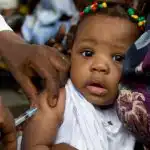
Health Minister Sardar Shakhawat Hossain Bakul announced that an emergency vaccination drive has been launched, focusing first on the hardest-hit districts before expanding nationwide. Mobile health teams are being deployed to remote and high-risk areas to ensure wider coverage.
Officials aim to quickly immunize children who missed routine doses while also strengthening monitoring systems to track new infections.
The outbreak has also sparked political tensions, with the current administration led by Prime Minister Tarique Rahman accusing the previous interim government of failing to act in time.
Senior leaders of the ruling Bangladesh Nationalist Party (BNP) allege that early warning signs were ignored, particularly after initial cases were detected in Rohingya refugee camps earlier this year. They claim delays in vaccine procurement and distribution contributed to the current surge.

Symptoms and Prevention
Measles typically begins with high fever, persistent cough, runny nose, and red, watery eyes, followed by a distinctive rash that spreads across the body.
In severe cases, it can lead to complications such as pneumonia, dehydration, and brain inflammation, especially in young children.
Health experts stress that vaccination remains the most effective protection against the disease. Parents are urged to ensure children receive both recommended doses of the measles vaccine on time.
Maintaining hygiene, avoiding close contact with infected individuals, and early medical attention at the first signs of symptoms can significantly reduce the risk of severe illness and transmission.
Concerns Over Underreported Deaths
Independent health experts caution that the actual death toll in Bangladesh may be higher than reported. In many rural areas, limited testing capacity and delayed access to healthcare mean that measles cases often go unconfirmed.
With the outbreak still spreading, authorities face a critical window to contain the disease. Public health specialists stress that restoring high vaccination coverage remains the only effective way to prevent further loss of life.