
Manila: A powerful 7.8-magnitude earthquake struck off the coast of the southern Philippines on Monday morning, killing at least 15 people, injuring more than 200 others, and triggering a tsunami along nearby coastlines.
The quake, one of the strongest to hit the Philippines in recent years, struck at 7:37 a.m. local time off the coast of Mindanao, with its epicenter located near Maasim town in Sarangani province.
The tremor was felt across the southern Philippines and in neighboring Malaysia, sending residents rushing out of homes, offices, and schools in panic.
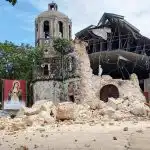
Authorities said most of the casualties were caused by collapsing buildings and falling debris. General Santos City, a major commercial and port hub in Mindanao, suffered some of the worst damage.
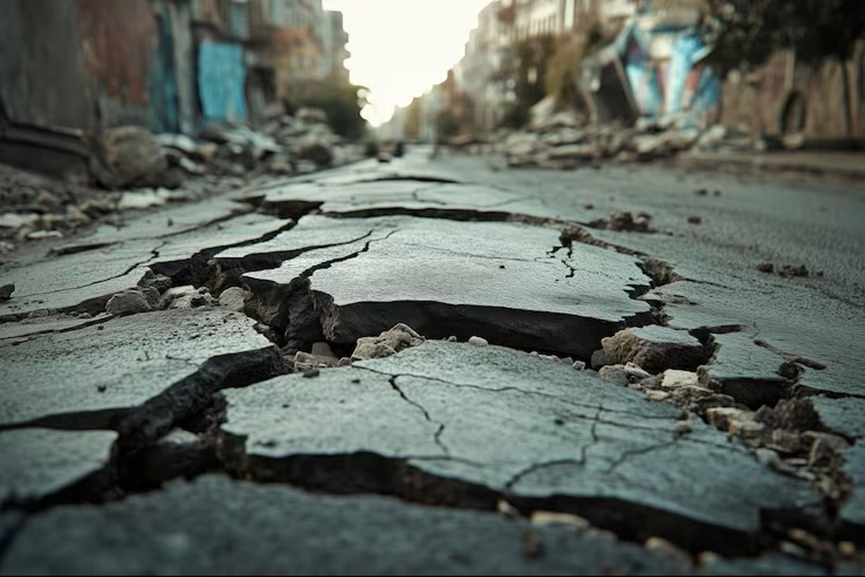
At least seven people were killed and around 130 were injured in the city, where several structures partially collapsed, and a key bridge developed dangerous cracks.
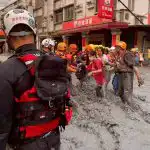
Five additional deaths were reported in South Cotabato, Davao Occidental, and Balut Island. Rescue teams continued searching for missing people amid reports that several students may have been trapped when part of a school building collapsed.
The earthquake also disrupted transportation and daily life across the region. General Santos International Airport was temporarily closed, forcing the cancellation of 17 domestic flights. Numerous aftershocks followed, adding to fears among residents and emergency responders.
A tsunami measuring up to one meter was recorded along parts of Sarangani and Sultan Kudarat provinces. However, officials said the waves caused no significant damage or casualties. The Pacific Tsunami Warning Center later announced that the tsunami threat had largely passed.
Philippine President Ferdinand Marcos Jr. assured affected communities that government assistance was being mobilized immediately, pledging that Mindanao would receive full support during relief and recovery efforts.
The Philippines lies along the Pacific Ring of Fire, making it highly vulnerable to earthquakes and volcanic activity. The latest disaster once again highlights the country’s exposure to powerful natural hazards and the importance of preparedness in vulnerable regions.